



Emotional Distance in Marriage
What you think the problem is — and what it really is
Emotional distance in marriage can often feel like an insurmountable barrier, a silent chasm that grows wider with each passing day. Couples frequently find themselves misinterpreting this distance, thinking it signals the end of affection or a lack of compatibility. However, understanding the true nature of emotional distance is crucial. It’s not always about the absence of love but often about unresolved issues, unmet needs, and unspoken expectations. By exploring these underlying factors, couples can find a path back to emotional closeness and intimacy.
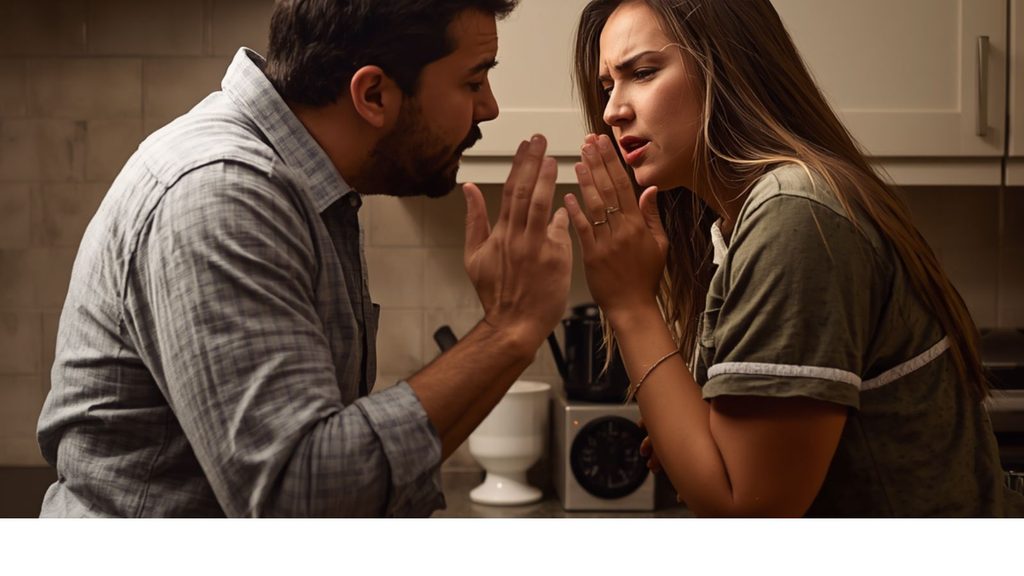
It is easy to misjudge the signs of emotional distance in marriage. Many individuals assume the problem lies solely in their partner’s lack of communication or affection. However, this distance often stems from deeper psychological and emotional issues that both partners may need to address. Recognizing and understanding these underlying causes can transform how couples perceive and tackle their relational challenges, leading to a more fulfilling and connected partnership. Through insightful exploration and guided assistance, couples can bridge the gap, restoring the warmth and companionship they once enjoyed.
Recognizing Emotional Distance: Signs and Symptoms
Emotional distance in marriage is often subtle at first, manifesting as minor irritations or a growing sense of dissatisfaction. Over time, these feelings can evolve into more pronounced symptoms, such as reduced communication, lack of intimacy, and feelings of loneliness. Recognizing these signs early is critical for addressing the root causes effectively. Couples may notice they are spending less time together, engaging in fewer meaningful conversations, or avoiding emotional topics altogether. These behaviors can create a vicious cycle, where the more distance grows, the more partners withdraw from one another.
Another common symptom is a decrease in physical affection, which can exacerbate feelings of alienation. When partners stop holding hands, hugging, or showing other forms of physical closeness, it may signal a deeper emotional disconnect. Emotional distance can also manifest as frequent arguments over trivial matters, which are often not the true source of conflict but rather a symptom of deeper unresolved issues. Understanding these signs is the first step towards healing and reconnecting as a couple.
Subtle Indicators to Watch For
Beyond the obvious signs, emotional distance can reveal itself in subtler ways. Partners might find themselves daydreaming about life without their spouse, feeling envious of seemingly happier couples, or avoiding eye contact during conversations. These subtle indicators can often be overlooked but are crucial in diagnosing the depth of emotional distance. It’s essential to pay attention to these nuances, as they often signal an emotional need that is not being met.
Additionally, a lack of enthusiasm for shared activities or future planning can indicate growing emotional distance. When partners no longer enjoy doing things together or seem indifferent about plans, it may suggest that they are emotionally disengaged. Recognizing these early warning signs allows for timely intervention and the opportunity to repair and strengthen the marital bond.
Common Misconceptions About Emotional Distance
Many couples fall into the trap of believing that emotional distance is an inevitable part of marriage. This misconception can prevent them from seeking help or making necessary changes to improve their relationship. It is important to understand that while every marriage experiences ebbs and flows, persistent emotional distance is not normal and should be addressed. One common myth is that emotional distance means the love is gone, but this is rarely the case. More often, it reflects unresolved conflicts or unmet emotional needs.
Another misconception is that emotional distance is solely the fault of one partner. This belief can lead to blame and resentment, further widening the gap between partners. In reality, emotional distance is usually the result of both partners’ actions and inactions. It is a dynamic that develops over time, often without either party realizing it until it has become a significant issue. Understanding that both partners play a role in the development of emotional distance is crucial for fostering a collaborative approach to healing.
The Role of External Stressors
External stressors, such as financial difficulties, career pressures, or family obligations, are often underestimated as contributors to emotional distance. These stressors can drain emotional energy, leaving little for nurturing the marital relationship. Couples may not realize how these external factors are affecting their emotional connection until the distance becomes apparent. Recognizing and addressing these stressors is essential in reducing their impact on the marriage.
Moreover, the influence of societal expectations and cultural norms can add another layer of complexity to emotional distance. Expectations about gender roles, success, and family responsibilities can create tension and misunderstanding between partners. Being aware of these influences allows couples to consciously challenge and redefine their expectations, fostering a more supportive and understanding relationship.
Identifying the Root Causes of Emotional Distance
To effectively address emotional distance, couples must identify the root causes behind it. This often involves examining personal emotional histories and how they intersect with the current relationship. Emotional distance can stem from unresolved past traumas, unmet needs during childhood, or learned behaviors that inhibit vulnerability and connection. Understanding these underlying factors provides valuable insights into how emotional distance developed and what steps can be taken to overcome it.
Communication issues are frequently at the heart of emotional distance. When partners struggle to express their feelings or listen empathetically, misunderstandings and resentment can build. Improving communication skills is a critical step in bridging emotional distance. This includes learning to express needs clearly, listening without judgment, and validating each other’s feelings. By enhancing these skills, couples can create a more open and supportive environment, fostering emotional closeness.
The Impact of Personal Insecurities
Personal insecurities can significantly contribute to emotional distance. Feelings of inadequacy, fear of rejection, or lack of self-worth can cause individuals to withdraw emotionally. These insecurities often manifest as defensiveness, avoidance, or aggression, which can further alienate partners. Addressing these insecurities involves self-reflection and personal growth, as well as seeking support from a therapist if necessary.
Building self-awareness and self-compassion is key to overcoming these personal barriers. When individuals understand and accept their vulnerabilities, they are more likely to engage in open and honest communication with their partner. This openness can lead to a deeper emotional connection and reduce the emotional distance in the marriage.
Strategies to Reconnect and Restore Emotional Closeness
Rebuilding emotional closeness requires intentional effort and a willingness to engage in meaningful change. One effective strategy is to establish regular check-ins with your partner, creating a safe space to share thoughts and feelings without judgment. These check-ins can help couples stay connected and address issues before they escalate. Additionally, prioritizing quality time together is essential. Engaging in activities that both partners enjoy can strengthen the emotional bond and create shared positive experiences.
Another important strategy is to practice empathy and active listening. Understanding your partner’s perspective and validating their feelings can foster a deeper connection. This involves not only listening to what they say but also paying attention to non-verbal cues and emotions. By showing genuine interest and concern, partners can create a supportive environment where emotional closeness can thrive.
The Role of Professional Support
Seeking professional support, such as marriage counseling guidance, can be incredibly beneficial for couples struggling with emotional distance. A trained therapist can help couples identify and address underlying issues, improve communication skills, and develop effective strategies for reconnecting. Therapy provides a neutral space for both partners to express their concerns and work collaboratively towards a stronger relationship.
Couples counseling can also introduce structured techniques, such as the Gottman Method or Emotionally Focused Therapy (EFT), which are specifically designed to enhance emotional connection. These approaches focus on building trust, understanding, and emotional responsiveness, all of which are crucial for overcoming emotional distance. By engaging in therapy, couples can gain valuable tools and insights to navigate their relationship challenges and foster lasting emotional closeness.
The Importance of Forgiveness and Letting Go
Forgiveness plays a vital role in overcoming emotional distance. Holding onto past grievances can create barriers that prevent emotional closeness. Learning to forgive involves letting go of resentment and focusing on the present and future of the relationship. This process can be challenging but is essential for healing and rebuilding trust. Practicing forgiveness requires empathy, understanding, and a commitment to moving forward together.
Letting go of past hurts does not mean forgetting or excusing harmful behavior. Instead, it involves acknowledging the pain, understanding its impact, and choosing to release its hold on the relationship. This process can be facilitated through open communication and a mutual desire to strengthen the marriage. By letting go of past grievances, couples can create a clean slate, allowing for renewed emotional closeness and connection.
Creating a New Narrative
Creating a new narrative for the relationship is another powerful tool in overcoming emotional distance. Couples can work together to redefine their relationship goals, values, and shared vision for the future. This process involves open discussions about what each partner desires from the marriage and how they can support each other’s growth and happiness. By aligning their goals and values, couples can foster a sense of unity and purpose.
Building a new narrative also involves celebrating successes and milestones, both big and small. Recognizing and appreciating each other’s contributions to the relationship can enhance emotional closeness and reinforce the partnership. This positive reinforcement encourages continued efforts towards maintaining a strong and connected marriage.

Conclusion: Bridging the Emotional Gap
Emotional distance in marriage is a complex issue that requires a comprehensive approach to address. By understanding the true nature of emotional distance and its underlying causes, couples can take proactive steps to reconnect and restore emotional closeness. Recognizing the signs, challenging misconceptions, and implementing effective strategies are all critical components of bridging the emotional gap.
Ultimately, overcoming emotional distance involves a commitment to growth, understanding, and collaboration. Whether through self-reflection, improved communication, or seeking professional support, couples can navigate the challenges of emotional distance and create a more fulfilling and connected relationship. By embracing these strategies and fostering a supportive environment, couples can reignite the spark and enjoy a deeper, more meaningful connection with one another.

