



The Importance of Relationship Repair
Most couples spend too much energy asking, “Who was right?” and not enough asking, “What happens between us now?” That shift matters. In my work as a couples therapist, I have seen strong relationships survive painful arguments, harsh words, and temporary disconnection when partners know how to repair. I have also seen loving couples slowly drift apart, not because the conflict was unusually severe, but because nobody knew how to come back together afterward. Relationship repair after conflict is not a soft skill. It is the difference between emotional erosion and emotional resilience.
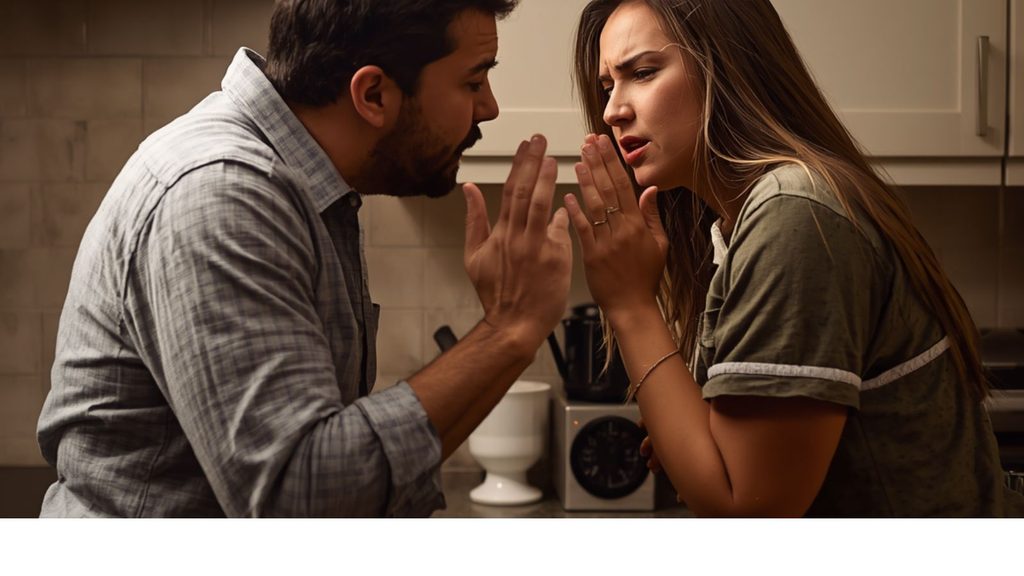
Winning an argument may soothe the ego for a moment, but repair restores the bond. When a couple can find each other again after anger, hurt, or misunderstanding, they build trust at the deepest level. They learn that conflict does not have to mean danger, abandonment, or defeat. It can become a doorway to greater honesty, maturity, and intimacy. What happens after the argument matters most because that is where partners either harden into opposing sides or remember they are on the same team.
Why being right rarely heals the relationship
Arguments often become courtroom dramas. Each partner gathers evidence, builds a case, and waits for a verdict. The problem is that relationships are not governed by logic alone. They are shaped by attachment, nervous system responses, emotional meaning, and lived history. You can prove a point and still leave your partner feeling dismissed, unsafe, or alone. Once that happens, the issue under discussion becomes secondary to the injury created during the exchange. This is why relationship repair after conflict is more important than scoring debate points.
From a Gottman perspective, repair is one of the clearest predictors of long-term stability. Happy couples are not conflict-free; they are simply better at interrupting escalation and reconnecting. A sincere apology, a gentle touch, a moment of humor, or a sentence like “I see how much this hurt you” can stop a downward spiral. Repair does not erase accountability. It makes accountability usable. When couples prioritize understanding over victory, they move from adversarial energy toward collaboration, and that is where real change begins.
What conflict does to the nervous system
When protection takes over
During a heated argument, many partners believe they are reacting to the present moment. In reality, the nervous system may already be in survival mode. One person protests, pursues, or raises their voice because disconnection feels unbearable. The other shuts down, gets defensive, or leaves the room because the intensity feels overwhelming. In Emotionally Focused Therapy, this is understood as a cycle driven by attachment alarm, not simply bad communication. If you want lasting relationship repair after conflict, you have to address the fear beneath the behavior.
This is also why timing matters. Trying to solve a painful issue while both partners are physiologically flooded usually backfires. Heart rate rises, tone sharpens, and listening collapses. In that state, empathy is hard to access. Slowing down, taking a structured pause, and returning with intention can be transformative. For many couples, working with a couples therapist provides the structure needed to recognize these patterns and interrupt them before they become entrenched. Repair is not weakness; it is nervous system leadership inside the relationship.
The repair moves that actually work
Couples often assume repair must be dramatic, but the most effective efforts are usually simple and specific. Repair begins when one partner signals, “I care more about our connection than my position.” That may sound like, “Let me start over,” “You make sense to me even if I disagree,” or “I can see I became harsh.” In Internal Family Systems language, repair becomes possible when protective parts step back enough for the calmer, more compassionate Self to lead. That inner shift changes the emotional climate immediately.
If repeated arguments are leaving both of you discouraged, this is often the point where couples counseling support becomes valuable. A good repair process is not just about saying sorry. It helps each person name what happened internally, take responsibility for their impact, and offer reassurance without becoming defensive. The goal is not to force quick peace. The goal is to create a meaningful bridge back to emotional safety so the conflict becomes informative rather than corrosive.
- Pause the argument when either partner is flooded, and agree on a clear return time.
- Lead with impact, not intent: “I see that what I said landed as criticism.”
- Name the softer feeling under the anger, such as fear, shame, or loneliness.
- Offer one concrete act of reassurance, like a touch, a hug, or a calmer restatement.
- Ask one repair question: “What do you need from me right now to feel more understood?”
What repair is not
Repair is not minimizing, rationalizing, or rushing your partner past their pain. Statements like “You’re too sensitive,” “I already said sorry,” or “Can we just move on?” usually create further rupture. Effective repair contains humility. It communicates, “Your experience matters to me, even when it is hard to hear.” That posture invites trust. Over time, these moments teach couples that conflict does not have to end in distance. It can end in deeper recognition, which is one of the foundations of secure love.

When old wounds hijack current arguments
The present is often mixed with the past
Many couples are surprised to discover that their biggest fights are not really about dishes, parenting schedules, texting habits, or sex. Those topics matter, but they often activate older emotional wounds. A delayed reply may trigger a history of abandonment. A critical tone may awaken childhood shame. A partner’s withdrawal may stir panic rooted in earlier rejection. When current disagreements become loaded with old pain, partners stop responding only to each other and start reacting to emotional ghosts as well.
This is where a deeper therapeutic lens becomes essential. In my clinical experience, repair becomes stronger when couples learn to distinguish the immediate issue from the historical trigger. Instead of saying, “You always overreact,” a partner may learn to say, “When you pull away, it touches a very old fear in me.” That kind of honesty changes everything. When patterns have become chronic, marriage therapy can help couples untangle entrenched cycles, process unresolved hurts, and create new experiences of responsiveness that restore hope.
How trust is rebuilt after repeated conflict
Trust is rarely rebuilt through one perfect conversation. It is rebuilt through consistency. If a couple has been caught in criticism, defensiveness, stonewalling, or recurring blowups, both partners may become skeptical of change. That skepticism is understandable. Relationship repair after conflict needs repetition before it feels believable. Small reliable moments matter: following through on a promised check-in, softening your tone during a difficult discussion, returning after a timeout, and showing curiosity instead of contempt. These actions accumulate into emotional credibility.
It is also important to repair the pattern, not only the episode. If every conflict ends with one person chasing and the other disappearing, trust will remain fragile even if each individual argument is eventually patched over. Couples need to develop a shared map: how they escalate, what each person fears, what signals flooding, and what helps them reconnect. In Gottman terms, this creates a stronger friendship system. In EFT terms, it builds secure attachment. In practical terms, it means partners begin to expect repair instead of rupture.
How couples can practice repair before the next argument
The best time to strengthen repair is not in the middle of a fight but during a calm moment. Couples who wait until they are activated often default to their oldest habits. I encourage partners to discuss their conflict process when they are connected. Decide what a timeout looks like, how long it should last, and what each person needs in order to return. Agree on phrases that lower defensiveness, such as “Help me understand,” “I’m feeling overwhelmed, not uninterested,” or “Let’s slow this down because I care about us.” Preparation turns repair into a shared discipline.
Just as important, make room for repair outside conflict. Appreciation, affection, humor, and daily responsiveness create emotional reserves that make difficult conversations easier to survive. Couples sometimes think repair begins after damage has occurred, but healthy repair is supported by ongoing connection. When partners feel seen in ordinary moments, they are less likely to interpret conflict as proof that the relationship is failing. They can hold tension without losing the bond. That is the deeper promise of relationship repair after conflict: not a conflict-free partnership, but a more secure and resilient one.
Conclusion
Arguments are inevitable in intimate relationships. What determines the future of the bond is not whether conflict appears, but whether the couple knows how to reconnect after it. When repair becomes the priority, partners stop treating each disagreement like a referendum on the relationship. Instead, they begin to use conflict as information. They learn what hurts, what protects, what each person longs for, and how to return to each other with greater care. That is how maturity develops in love.
If you and your partner keep having the same painful fights, do not measure the relationship only by how often you disagree. Look closely at what happens afterward. Do you withdraw, punish, defend, and keep score, or do you pause, reflect, and reach back toward each other? Lasting change begins there. The couples who endure are not the ones who never struggle. They are the ones who learn that repair is the true skill of intimacy, and that protecting the bond matters far more than winning the moment.
This article is for general education. It is not a substitute for professional advice, diagnosis or treatment.

