


InterPersonal Neurobiology Therapy (INPB) in NYC
Page Contents
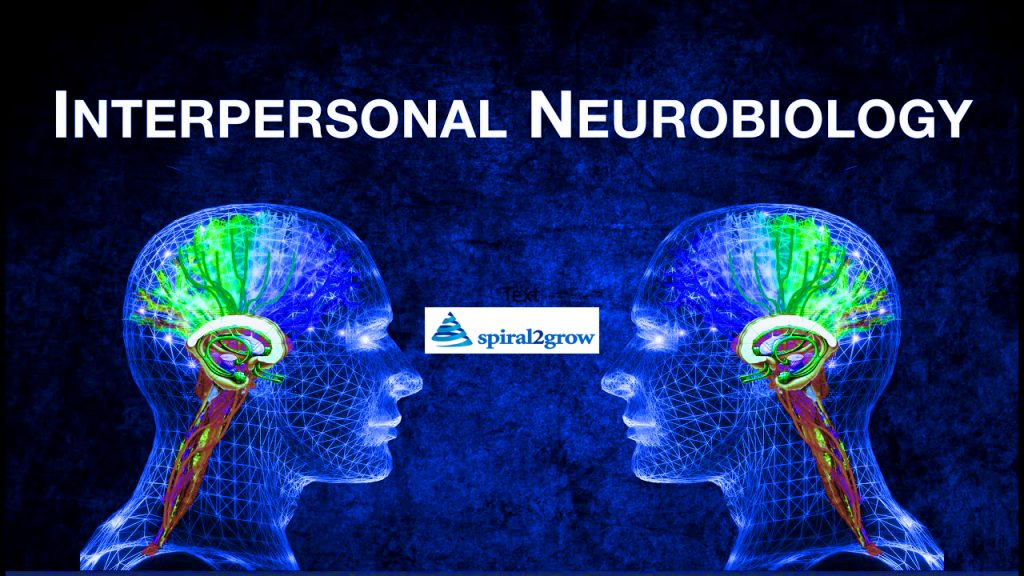
spiral2grow in New York City offers Interpersonal Neurobiology therapy (IPNB). Moshe Ratson, MBA, LMFT, uses interpersonal neurobiology treatment to improve psychological integration and well-being. spiral2grow, located in New York City Moshe utilizes Interpersonal Neurobiology for self-esteem, anger management, couples counseling, and marriage therapy for individuals and couples who are interested in building healthy relationship skills and healing deep wounds.
We often think of our emotional struggles as something happening entirely within us. Anxiety, anger, shame, fear, and relationship difficulties may seem like personal problems that we must understand and overcome on our own. Yet our emotional experiences are deeply influenced by our relationships, personal history, physical responses, and the ways our brains have adapted to the world around us.
From our earliest experiences, relationships help shape how we understand ourselves, regulate emotions, respond to stress, and connect with others. When we experience consistent care, emotional responsiveness, and security, we may develop a stronger capacity for trust, resilience, and healthy relationships. When our experiences involve chronic stress, rejection, neglect, or unpredictable emotional interactions, we may develop protective patterns that continue influencing our thoughts, feelings, and behaviors long after the original circumstances have changed.
Interpersonal Neurobiology (IPNB) provides a framework for understanding how the mind, brain, body, and relationships interact to shape our emotional experiences and psychological well-being.
At spiral2grow Marriage Family Therapy in Midtown Manhattan, I integrate principles of interpersonal neurobiology into individual psychotherapy, couples counseling, marriage therapy, and emotional regulation work. My goal is to help clients understand the patterns that influence their reactions while developing greater awareness, emotional flexibility, and the capacity for healthier relationships.
I am Moshe Ratson, LMFT, MBA, a licensed marriage and family therapist, psychotherapist, couples therapist, and executive coach in New York City. My therapeutic approach combines neuroscience-informed perspectives with attachment theory, emotional understanding, mindfulness, and practical behavioral change.
I believe that meaningful psychological growth requires more than intellectual insight. It involves developing a healthier relationship with ourselves, understanding our emotional experiences, and creating new ways of responding to the people and situations that matter most.
What Is Interpersonal Neurobiology?
Interpersonal Neurobiology is an interdisciplinary framework that brings together insights from neuroscience, psychology, attachment theory, developmental science, and the study of human relationships.
The framework is closely associated with psychiatrist and researcher Dr. Daniel J. Siegel, whose work, including the Mindsight Institute, helped develop and popularize the field. Related contributions from researchers and clinicians such as Allan Schore and Louis Cozolino have further explored how early relationships, emotional experiences, and neural development influence psychological functioning.
A central principle of IPNB is that the mind cannot be fully understood by examining the brain in isolation. Human experience emerges through ongoing interactions among biological processes, subjective awareness, and interpersonal relationships.
Our brains influence how we relate to others, while our relationships and experiences can influence how our nervous systems function and adapt.
IPNB also emphasizes the concept of integration: the ability to connect different aspects of our experience while preserving their distinct functions.
In psychological terms, integration involves developing greater coordination among thoughts, emotions, bodily sensations, memories, and behaviors.
In relationships, integration involves maintaining our individuality while remaining emotionally connected and responsive to others.
The objective is not to eliminate differences or uncomfortable emotions but to develop greater flexibility, balance, and coherence in how we experience ourselves and interact with the world.
The Relationship Between Mind, Brain, Body, and Human Connection
Our emotional lives involve an ongoing interaction between mental processes, physical responses, and interpersonal experiences.
When we feel threatened or rejected, our nervous systems may respond with increased physiological activation, changes in attention, and a stronger impulse to defend ourselves or withdraw.
When we experience emotional safety and supportive connection, we may find it easier to regulate distress, reflect on our experiences, and respond thoughtfully.
These processes help explain why certain interactions can feel disproportionately intense.
A partner’s criticism may activate feelings of inadequacy connected to earlier experiences. A moment of emotional distance may trigger fear of abandonment. A disagreement with a colleague may evoke a powerful defensive response that seems greater than the immediate situation warrants.
Interpersonal neurobiology encourages us to understand these reactions within the broader context of emotional learning, nervous system functioning, and relational experience.
Rather than labeling a person as overly sensitive, emotionally weak, or irrational, we explore how their responses developed and whether those responses remain useful in their current circumstances.
At spiral2grow, I help clients develop this understanding while strengthening their capacity to recognize emotional activation, regulate their reactions, and respond with greater awareness and intention.
Neuroplasticity
Understanding the Brain’s Capacity for Change
One of the most encouraging findings in modern neuroscience is that the brain remains capable of change throughout life.
Neuroplasticity refers to the nervous system’s capacity to adapt through experience, learning, and repeated activity.
Our habits, attention, behaviors, and relationships can influence neural functioning over time, although the nature and extent of these changes depend on many biological and environmental factors.
This capacity for adaptation is important in psychotherapy because emotional and behavioral patterns are not necessarily permanent.
A person who has learned to respond defensively to criticism may gradually develop a greater ability to tolerate disagreement.
Someone who automatically withdraws when experiencing vulnerability may learn to communicate emotions more openly.
An individual who struggles with anxiety may strengthen their ability to recognize fearful predictions and respond with greater flexibility.
These changes typically require repeated practice, appropriate support, and experiences that reinforce healthier patterns.
Neuroplasticity does not mean that we can simply think positively and rewire our brains at will. Nor does it guarantee that every psychological difficulty can be resolved through awareness or meditation.
It means that learning and experience can support meaningful changes in how we function.
Psychological Integration
Creating Greater Emotional Balance
Integration is a foundational concept in interpersonal neurobiology.
It refers to the process of linking different aspects of experience in ways that support more flexible and coordinated functioning.
For example, a person may understand intellectually that a situation is safe while still experiencing intense fear in their body. Another individual may recognize that their anger is damaging a relationship yet feel unable to regulate their reactions when emotionally triggered.
These experiences illustrate how thoughts, emotions, bodily responses, and behaviors may not always operate in harmony.
Psychotherapy can help individuals become more aware of these different aspects of their experience and develop healthier ways of responding to them.
At spiral2grow, I emphasize the importance of integrating emotional awareness with thoughtful action.
A person who learns to recognize anger without immediately reacting may become better able to express underlying needs constructively.
Someone who develops greater awareness of fear and vulnerability may become more capable of maintaining emotional connection during difficult conversations.
The goal is not to become emotionally detached or controlled by logic. It is to develop a balanced relationship between emotional experience, reflective awareness, and intentional behavior.
Attunement
The Healing Power of Feeling Understood
Human beings have a fundamental need to feel seen, understood, and emotionally connected.
Attunement refers to the capacity to recognize and respond sensitively to another person’s emotional experience.
When someone listens with genuine curiosity, recognizes our feelings, and responds without immediate judgment or defensiveness, we may experience a greater sense of emotional safety.
Attunement is especially important in intimate relationships because partners often react not only to what is said but also to whether they feel emotionally understood.
For example, a partner who expresses frustration may be communicating a deeper sense of loneliness or disappointment.
When the other person responds only to the criticism, the conversation may escalate. When they recognize the emotional experience beneath the words, the interaction can become an opportunity for greater understanding.
Attunement does not require agreement, surrender, or the abandonment of healthy boundaries.
It involves acknowledging another person’s experience while maintaining one’s own perspective and sense of self.
In my couples therapy work, I help partners develop this capacity through active listening, empathy, emotional regulation, and respectful communication.
Attachment, Early Relationships, and Emotional Development
Attachment theory provides an important foundation for understanding the interpersonal dimensions of psychological development.
Early relationships with caregivers can influence how children learn to regulate emotions, seek comfort, respond to stress, and develop expectations about relationships.
When caregiving is consistently responsive and supportive, children are more likely to develop a sense of security and confidence in seeking connection.
When relationships involve chronic unpredictability, emotional unavailability, or frightening experiences, children may develop protective strategies that influence later relationships.
These patterns can continue into adulthood, sometimes appearing as fear of rejection, emotional withdrawal, excessive reassurance-seeking, difficulty trusting others, or discomfort with vulnerability.
However, early experiences do not determine a person’s future in a fixed or inevitable way.
Later relationships, supportive experiences, psychotherapy, and intentional behavioral change can contribute to healthier emotional functioning.
At spiral2grow, I help clients recognize how earlier relationship experiences may influence their current expectations and reactions while emphasizing their capacity to develop new ways of connecting.
Mindfulness and Focused Attention: Developing Greater Self-Awareness
Mindfulness involves intentionally paying attention to present-moment experiences with openness, curiosity, and reduced automatic judgment.
From an interpersonal neurobiology perspective, mindful awareness can support greater recognition of thoughts, emotions, bodily sensations, and habitual reactions.
Many people move through stressful situations on autopilot, reacting before they fully recognize what they are feeling or why a particular experience has become emotionally threatening.
Mindfulness creates an opportunity to notice these processes as they unfold.
For example, a person may recognize that their shoulders have become tense, their breathing has changed, and their thoughts are becoming increasingly critical before an argument escalates.
This awareness may allow them to pause, regulate their emotional activation, and choose a more constructive response.
Research suggests that mindfulness-based interventions can support certain aspects of emotional regulation and psychological well-being, although findings vary across practices and populations.
In my clinical work, mindfulness is not about suppressing thoughts or forcing the mind to become calm. It is about strengthening awareness so that individuals can respond more intentionally rather than being driven exclusively by automatic reactions.
Emotional Regulation and the Nervous System
Emotional regulation is the capacity to recognize, understand, and manage emotional experiences in ways that support effective functioning.
When we become emotionally overwhelmed, our attention may narrow, our interpretations may become more rigid, and our ability to communicate constructively may decrease.
In these moments, even relatively minor disagreements can feel threatening.
Interpersonal neurobiology helps explain why emotional regulation is influenced by both internal processes and interpersonal experiences.
We can develop self-regulation skills through practices such as mindful awareness, breathing, grounding, and cognitive flexibility.
We may also benefit from co-regulation, in which a supportive interaction with another person helps us manage emotional distress.
At spiral2grow, I help clients recognize their emotional triggers, understand physiological signs of activation, and develop practical strategies for responding more effectively.
The objective is not to eliminate emotional intensity but to strengthen the ability to experience difficult feelings without automatically engaging in behaviors that create additional harm.
Interpersonal Neurobiology and Trauma-Informed Psychotherapy
Traumatic experiences can influence how individuals perceive safety, regulate emotions, interpret relationships, and respond to reminders of past events.
People who have experienced trauma may become highly sensitive to perceived threats, struggle with trust, or experience emotional and physiological reactions that seem disconnected from their present circumstances.
An interpersonal neurobiology perspective can help clinicians understand these responses within the context of stress physiology, attachment, emotional learning, and nervous system adaptation.
Trauma-informed psychotherapy emphasizes safety, collaboration, choice, and respect for the client’s emotional capacity.
At spiral2grow, I integrate relevant neuroscience-informed concepts with emotional regulation, mindfulness, attachment-based understanding, and other clinically appropriate interventions.
The therapeutic relationship can provide opportunities for clients to experience greater emotional safety and develop new ways of relating to themselves and others.
However, interpersonal neurobiology itself is not a standalone, established treatment protocol for PTSD. When trauma symptoms require specialized care, evidence-based trauma treatments and appropriate clinical assessment are important.
The goal is to support healing without minimizing the complexity of trauma or promising that particular exercises will directly reverse specific brain changes.
Interpersonal Neurobiology for Couples Therapy and Marriage Counseling
Intimate relationships can activate some of our deepest emotional needs and vulnerabilities.
When couples feel emotionally connected, they may find it easier to communicate openly, manage disagreements, and support each other through stressful experiences.
When trust and emotional safety deteriorate, however, partners may become increasingly defensive, critical, anxious, or withdrawn.
These patterns can create a cycle in which each person’s protective response intensifies the other’s distress.
For example, one partner may seek reassurance through repeated questioning or criticism, while the other withdraws to avoid feeling overwhelmed.
The pursuit increases withdrawal, and the withdrawal intensifies the fear of rejection.
Interpersonal neurobiology provides a useful framework for understanding how emotional activation and relationship dynamics influence one another.
At spiral2grow, I integrate these principles with Emotionally Focused Therapy, Gottman-informed interventions, Imago dialogue, and practical communication skills.
Couples learn to recognize emotional triggers, understand the vulnerable experiences beneath defensive reactions, and develop healthier ways of responding to each other.
The objective is to create a relationship in which partners can maintain individuality while developing greater emotional connection, trust, and mutual respect.
Interpersonal Neurobiology and Anger Management
Anger often involves a combination of emotional interpretation, physiological activation, personal values, and behavioral habits.
When individuals perceive disrespect, injustice, rejection, or threats to important needs, their nervous systems may become activated, making it more difficult to respond thoughtfully.
Interpersonal neurobiology encourages us to recognize how these reactions involve both psychological and physiological processes.
At spiral2grow, I help clients identify early signs of emotional escalation, recognize the interpretations that intensify anger, and develop strategies for regulating their responses.
I emphasize that anger itself is not inherently unhealthy. It can provide valuable information about boundaries, unmet needs, and important personal values.
The challenge is learning to understand and express anger without allowing it to become destructive.
Through emotional awareness, mindfulness, cognitive flexibility, and assertiveness training, individuals can develop healthier ways of communicating frustration and addressing conflict.
Interpersonal Neurobiology, Self-Esteem, and Personal Growth
Our sense of self develops partly through our experiences with other people.
Repeated experiences of criticism, rejection, emotional neglect, or conditional approval may contribute to self-doubt, shame, and rigid beliefs about personal worth.
Supportive relationships, meaningful achievements, and opportunities for self-expression can contribute to a healthier sense of identity.
Interpersonal neurobiology encourages us to understand self-esteem as influenced by both internal processes and relational experiences.
At spiral2grow, I help clients examine limiting beliefs, develop greater self-compassion, strengthen emotional regulation, and establish healthier interpersonal boundaries.
The goal is not to create confidence through constant reassurance or external approval but to develop a more stable sense of self that can tolerate mistakes, differences, and emotional discomfort.
Interpersonal Neurobiology for Leadership and Executive Coaching
The principles of emotional awareness, attunement, self-regulation, and interpersonal responsiveness also have relevance for leadership and professional relationships.
Leaders frequently navigate emotionally complex situations involving conflict, uncertainty, performance expectations, and organizational change.
When individuals become highly reactive or defensive, their ability to listen, collaborate, and make thoughtful decisions may be compromised.
An understanding of interpersonal dynamics can help leaders recognize how their communication style and emotional responses influence the people around them.
My background as an MBA and executive coach complements my clinical training in helping professionals strengthen emotional intelligence, assertiveness, conflict management, and interpersonal effectiveness.
Although interpersonal neurobiology is not itself a validated executive coaching treatment, its concepts can provide a useful perspective for understanding the relationship between emotional functioning and professional behavior.
How Interpersonal Neurobiology Informs Psychotherapy at spiral2grow
I believe effective psychotherapy requires attention to the whole person, including thoughts, emotions, behaviors, bodily experiences, relationships, and personal values.
Interpersonal neurobiology provides a framework for understanding how these dimensions interact.
In therapy, we may explore how earlier experiences influence current emotional responses, how the nervous system reacts to perceived threats, and how relationship patterns reinforce certain behaviors.
We also focus on developing practical skills that support greater emotional flexibility and healthier interpersonal functioning.
These may include mindfulness, emotional regulation, cognitive restructuring, assertiveness, compassionate self-reflection, and more effective communication.
The therapeutic relationship itself is important because meaningful change often requires clients to experience an environment characterized by respect, emotional safety, and genuine understanding.
My goal is to help clients develop greater awareness of their internal experiences while strengthening their ability to respond intentionally in everyday life.
Integrating Interpersonal Neurobiology With Other Psychotherapy Approaches
Interpersonal neurobiology is most useful when understood as a framework that can inform clinical practice rather than a replacement for established psychotherapy methods.
At spiral2grow, I integrate relevant IPNB principles with other approaches according to each client’s needs.
Emotionally Focused Therapy (EFT) emphasizes attachment needs, emotional vulnerability, and the development of more secure relationships.
Internal Family Systems (IFS) provides a framework for understanding internal emotional conflicts and protective responses.
Cognitive Behavioral Therapy (CBT) helps clients identify and change unhelpful thinking and behavioral patterns.
Acceptance and Commitment Therapy (ACT) emphasizes psychological flexibility, mindful awareness, and values-based action.
The Gottman Method offers practical relationship skills for strengthening friendship, managing conflict, and building trust.
These approaches have different theoretical foundations and evidence bases. Their integration should be guided by clinical judgment rather than assuming that all methods operate through the same neurological mechanisms.
Why Choose Moshe Ratson, LMFT, MBA, for Neuroscience-Informed Psychotherapy in NYC?
As a licensed marriage and family therapist, psychotherapist, and executive coach, I bring an integrative perspective that recognizes the interaction between emotional experiences, relationship dynamics, personal beliefs, and behavior.
I understand that many clients come to therapy after years of repeating patterns they recognize intellectually but struggle to change emotionally.
They may understand why they become anxious, defensive, angry, or withdrawn, yet continue reacting automatically when difficult situations arise.
My approach helps bridge the gap between understanding and change.
I combine compassionate exploration with direct feedback, emotional awareness, practical skills, and personal responsibility.
My background as an MBA and executive coach also informs my work with professionals and high-achieving individuals who want to strengthen emotional intelligence, interpersonal effectiveness, and psychological resilience.
I believe that lasting psychological growth involves learning to understand our emotional experiences without being controlled by them, maintaining meaningful relationships without losing ourselves, and responding to life’s challenges with greater awareness, flexibility, and intention.
Interpersonal neurobiology provides a valuable perspective for understanding why these capacities matter and how they can develop over time.
Frequently Asked Questions About Interpersonal Neurobiology
What is Interpersonal Neurobiology?
Interpersonal Neurobiology is an interdisciplinary framework that explores how the brain, mind, body, and relationships interact to influence psychological development, emotional regulation, and well-being.
Is Interpersonal Neurobiology a type of psychotherapy?
IPNB is primarily a framework for understanding human development and functioning rather than a single standardized psychotherapy treatment. Its concepts can inform clinical approaches such as attachment-based therapy, mindfulness, and other established psychotherapy methods.
Who developed Interpersonal Neurobiology?
Dr. Daniel J. Siegel is closely associated with developing and popularizing the interpersonal neurobiology framework, drawing on insights from multiple scientific disciplines. Researchers and clinicians including Allan Schore and Louis Cozolino have made important related contributions.
What is neuroplasticity?
Neuroplasticity refers to the nervous system’s capacity to adapt through learning and experience. It helps explain how repeated practice and new experiences can support changes in psychological and behavioral functioning.
Can Interpersonal Neurobiology help with anxiety and emotional regulation?
IPNB concepts can inform psychotherapy by helping clients understand emotional activation, nervous system responses, and the influence of relationships on stress. Appropriate evidence-based interventions may be used to address specific symptoms.
How does Interpersonal Neurobiology relate to attachment theory?
Attachment theory helps explain how early relationships influence emotional development and expectations about connection. IPNB incorporates attachment research into a broader understanding of brain development, emotional regulation, and interpersonal functioning.
Can Interpersonal Neurobiology help couples?
IPNB can help couples understand how emotional reactions, attachment needs, and physiological activation influence relationship patterns. These concepts can be integrated with established couples therapy approaches to improve emotional awareness and communication.
Does mindfulness change the brain?
Research suggests that mindfulness training may be associated with changes in certain aspects of brain function and, in some studies, brain structure. However, findings vary, and specific neurological changes should not be assumed for every individual.
Can Interpersonal Neurobiology help with trauma?
IPNB can provide a useful framework for understanding trauma-related emotional and physiological responses. However, specialized evidence-based trauma treatments may be necessary, depending on the nature and severity of symptoms.
Strengthen Your Mind, Deepen Your Relationships, and Create Meaningful Change
Our emotional lives are shaped by an ongoing interaction between our experiences, relationships, thoughts, behaviors, and nervous systems.
Although earlier experiences can influence how we respond to the world, they do not necessarily determine who we must become.
Through greater self-awareness, emotional regulation, supportive relationships, and intentional behavioral change, we can develop healthier ways of experiencing ourselves and connecting with others.
At spiral2grow Marriage Family Therapy, I integrate interpersonal neurobiology principles into a compassionate and practical therapeutic approach that helps clients understand their patterns, strengthen emotional resilience, and build more fulfilling relationships.
The goal is not simply to understand how the brain works, but to use that understanding to become more emotionally aware, more intentional in our choices, and more capable of creating healthy relationships and meaningful lives.
If you are looking for neuroscience-informed psychotherapy, couples counseling, or emotional regulation support in New York City, I invite you to explore how we can work together.
Moshe Ratson, LMFT, MBA
Licensed Marriage and Family Therapist | Psychotherapist | Couples Therapist | Executive Coach
spiral2grow Marriage Family Therapy
260 Madison Ave, # 8023
New York, NY 10016
Phone: (917) 692-3867
Website: https://www.spiral2grow.com/
Develop awareness. Strengthen emotional regulation. Deepen connection. Create lasting growth by Integrating Mind, Brain, and Relationships
Learn more about other treatment approaches by spiral2grow

