


Relationship Counseling: How to Build a Stronger, Healthier, and More Fulfilling Relationship
Relationships are one of life’s greatest sources of joy, meaning, belonging, and emotional fulfillment. At their best, relationships become a place of safety—a place where we feel seen, valued, supported, and deeply connected. They enrich our lives, expand our hearts, and give us a sense of partnership in navigating life’s inevitable challenges.
Yet relationships can also be one of the greatest sources of pain.
Misunderstandings grow into resentment. Emotional wounds deepen into distance. Love that once felt effortless becomes strained by conflict, disappointment, unmet needs, and patterns that leave both partners feeling lonely—even while together.
For some, the struggle begins early in dating, when recurring conflict, insecurity, or mismatched expectations begin to surface. For others, it emerges later, after years of commitment, when emotional closeness fades and the relationship becomes more functional than fulfilling. Some relationships are shaken by betrayal, broken trust, chronic conflict, or the quiet erosion of connection over time.
And many people begin to wonder:
Can we repair what has been lost?
Can trust be rebuilt?
Can love deepen again?
Can relationships truly change?
The answer is yes—but meaningful change rarely happens by accident.
Healthy relationships require awareness, communication, emotional maturity, and intentional effort. They require the willingness to understand ourselves, understand each other, and learn how to navigate differences in ways that strengthen rather than weaken connection.
This is where relationship counseling becomes transformative.
Relationship counseling is not only for couples in crisis. It is a powerful process for anyone who wants to build healthier patterns, deepen intimacy, improve communication, and create a relationship that is more conscious, resilient, and fulfilling.
At its heart, relationship counseling is about learning how to love better—more wisely, more honestly, and more skillfully.
What Makes Relationships Thrive
Strong relationships are not built on luck or chemistry alone.
While attraction and love are important, long-term relational success depends on deeper qualities that sustain connection over time.
Thriving relationships are built on:
- emotional safety
- trust and reliability
- honest communication
- mutual respect
- healthy boundaries
- emotional responsiveness
- shared values and vision
- the ability to repair after conflict
The strongest relationships are not relationships without struggle. They are relationships where both people learn how to struggle well—how to face challenges together rather than turn against one another.
A healthy relationship becomes a place where both people can grow individually while also building something meaningful together.
Why Relationships Struggle
Most relationships do not fall apart overnight.
They erode gradually.
Small disappointments accumulate. Needs go unspoken. Emotional injuries are left unrepaired. Conversations become defensive, tense, or avoidant. Intimacy slowly fades. Partners stop feeling understood.
Over time, a painful shift happens: connection becomes distance; understanding becomes criticism; vulnerability becomes protection;
love becomes frustration. Many relationship problems are not caused by a lack of love, but by unhealthy patterns that slowly undermine the relationship.
These patterns often include:
- poor communication
- unresolved resentment
- emotional withdrawal
- criticism and defensiveness
- power struggles
- unmet expectations
- avoidance of difficult conversations
- lack of emotional attunement
Without awareness, these cycles repeat until the relationship feels stuck.
Communication: The Heartbeat of Connection
Communication is the lifeblood of a relationship.
When communication is open, respectful, and emotionally honest, relationships feel alive. Partners feel seen, heard, and connected.
When communication breaks down, everything suffers.
People stop sharing honestly. Defensiveness rises. Misunderstandings multiply. Emotional walls grow stronger.
Healthy communication is not simply talking more—it is learning how to communicate in ways that deepen understanding.
This includes:
- speaking honestly without blame
- listening to understand rather than defend
- expressing needs clearly
- slowing conflict rather than escalating it
- validating each other’s emotional experience
- learning how to discuss hard topics respectfully
Many couples talk often—but communicate poorly.
Relationship counseling helps transform communication from reactive exchanges into meaningful dialogue.
Emotional Triggers and Hidden Wounds
One of the greatest challenges in relationships is that conflict is rarely just about the present moment.
Arguments are often amplified by unresolved emotional wounds.
A small disappointment may activate:
- fear of abandonment
- feelings of inadequacy
- shame
- rejection
- helplessness
- loneliness
- feeling unseen or unimportant
This creates emotional triggers—hot buttons that cause disproportionate reactions.
One partner may become highly reactive. The other may shut down. Both become trapped in a cycle neither fully understands.
The surface argument may look like anger, but underneath is often pain.
Relationship counseling helps partners identify these deeper emotional layers so they can respond with greater awareness, empathy, and care.
Conflict Is Inevitable—Repair Is Essential
Conflict is normal in every relationship.
The question is not whether couples will experience conflict—but how they handle it.
Some couples escalate quickly:
- criticism
- defensiveness
- contempt
- stonewalling
- emotional attack and withdrawal
Others avoid conflict entirely, allowing resentment to quietly build.
Neither approach creates intimacy.
What strengthens relationships is repair.
Repair is the ability to reconnect after rupture.
It means:
- taking responsibility
- apologizing sincerely
- validating hurt feelings
- clarifying misunderstanding
- restoring emotional safety
- choosing connection over ego
Repair is one of the strongest predictors of relationship success.
Couples who know how to repair can survive disagreements that would otherwise slowly destroy connection.
Trust and Emotional Safety
Trust is more than fidelity.
Trust is the feeling that:
- you matter
- your vulnerability is safe
- your partner will show up emotionally
- honesty exists between you
- emotional needs will not be mocked, dismissed, or weaponized
When trust is broken, fear enters the relationship
Partners become guarded. Defensive. Suspicious. Emotionally cautious.
Emotional safety disappears.
Rebuilding trust requires:
- transparency
- accountability
- consistency
- empathy
- patience
- reliable action over time
Relationship counseling provides structure for this rebuilding process, helping couples move from pain and protection toward safety and connection.
The Importance of Boundaries and Individual Growth
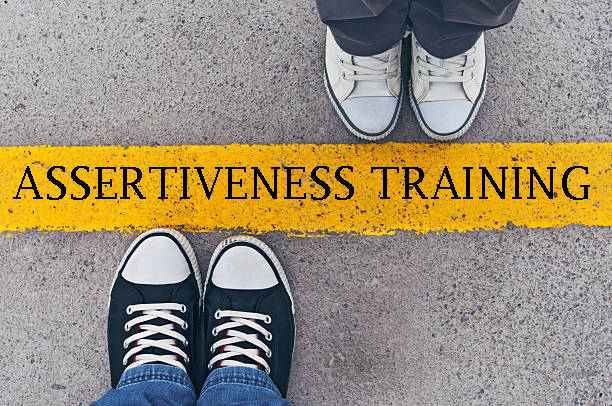
Healthy relationships require closeness—but they also require individuality.
Without boundaries, relationships become emotionally fused, controlling, or codependent.
Without connection, relationships become distant and lonely.
Healthy love balances:
togetherness and autonomy
closeness and freedom
support and individuality
Boundaries help people:
- communicate limits clearly
- protect emotional well-being
- reduce resentment
- maintain self-respect
- create healthier relational balance
Strong relationships are built by two whole individuals—not by losing oneself in the relationship.
Relationship counseling helps people strengthen both intimacy and individuality.
Intimacy: Emotional and Physical Connection
Intimacy is much deeper than physical closeness.
True intimacy is emotional openness—the willingness to be known.
It includes:
- vulnerability
- affection
- honest emotional sharing
- playfulness
- curiosity about one another
- emotional responsiveness
- physical touch and connection
Intimacy fades when partners stop emotionally reaching for one another.
Rebuilding intimacy requires intentional effort.
Couples must learn how to:
- create emotional closeness
- reconnect through meaningful conversation
- express appreciation
- nurture affection
- remain emotionally available
Intimacy thrives where safety, trust, and emotional presence exist.
Breaking Destructive Relationship Patterns
Most struggling couples are trapped in repetitive cycles.
One criticizes. The other withdraws.
One pursues. The other shuts down.
One becomes angry. The other becomes defensive.
Both partners feel misunderstood.
The cycle repeats.
Relationship counseling helps couples understand:
the cycle is the problem—not each other
This shift changes everything.
Once couples recognize their patterns, they can interrupt them and choose healthier responses.
Breaking vicious cycles creates space for compassion, accountability, and new relational habits.
This is where transformation begins.
What Happens in Relationship Counseling
Relationship counseling offers a safe, structured space to explore what is happening beneath the surface.
Through counseling, individuals and couples learn how to:
- understand emotional triggers
- communicate more effectively
- repair conflict
- rebuild trust
- strengthen boundaries
- deepen emotional intimacy
- break unhealthy patterns
- create a more intentional relationship vision
Counseling is not about assigning blame.
It is about creating awareness, responsibility, and meaningful change.
Working with Moshe Ratson, LMFT, MBA
Healing relationships requires more than advice—it requires insight, emotional depth, and skilled guidance.
Moshe Ratson, a marriage and family therapist and a coach in New York City, brings a unique combination of clinical expertise, relational wisdom, and practical therapeutic tools to help individuals and couples transform their relationships from the inside out.
His approach is:
- compassionate yet direct
- emotionally deep yet practical
- structured yet flexible
- highly attuned to underlying patterns and relational dynamics
Through his couples counseling practice, Moshe integrates evidence-based modalities such as Emotionally Focused Therapy (EFT), Internal Family Systems (IFS), and the Gottman Method. Moshe helps clients move beyond surface conflict and into deeper understanding, emotional safety, and meaningful change.
Rather than simply treating symptoms, he helps clients uncover root patterns, heal emotional wounds, and create stronger foundations for connection.
Creating the Relationship You Truly Want
Healthy relationships do not happen by chance.
They are built intentionally.
With awareness.
With courage.
With honesty.
With emotional maturity.
With a willingness to grow.
Relationship counseling helps transform struggle into understanding, conflict into repair, and distance into connection.
No relationship becomes perfect.
But relationships can become healthier, stronger, wiser, and more fulfilling.
And when two people are willing to do that work, love becomes more than emotion—it becomes a conscious practice of connection, commitment, and growth.
Tips for a healthy relationship
Don’t try to change your partner. After the “honeymoon” (attraction, passion, and infatuation) period that most couples begin with, which is clearly very rewarding and fulfilling, the differences between the individuals in the relationship become more apparent. The focus becomes on what you don’t get or what you don’t like or gain in the relationship. The period after the “honeymoon” is normally disappointing and becomes unpleasant. Our instinctual desire is to hold on to the pleasant feeling of our ideal partner and strongly change our partner to become this ideal partner. The desire and actions to change our partner may lead the couple to a period of conflict and power struggle.
Focus on changing your perspective – Internalizing and accepting that each individual in the relationship is different and that each one has different views, preferences, personalities, and values is not easy. So, rather than trying to change your partner (which is beyond your control and destructive to the relationship), work on changing your perspective about your partner. It is easier to change your perspective than to change your partner. Focus on the positive elements and the value your partner brings to the relationship. Look at the bigger picture and avoid having a narrow view that focuses on the negatives.
Give to your partner (don’t wait for your partner to start giving) – True happiness comes within. It is not happen when we get it from others. Yes, it is clearly makes us feel good when we receive from others what we want. But what happens when we don’t get it from your partner? True happiness is more about how we love ourselves and others. Learn how to find your happiness regardless of your partner’s behavior. Yet, understand that being nice to your partner would lead you to have a better relationship. The indirect outcome of loving others is the love of self. In addition, the more you give to your partners, encourages your partner to do more for you (as they feel better) and it increases your chances of getting what you want too. So, don’t wait for your partner to give to you and then give back. Think the opposite, the more you give, the more you will get.
Be involved with shared activities – Shared activities or participating in the same activities together portray connection, intimacy and support. The activity can be watching a movie or TV together, having sex, parenting, meeting friends, cleaning the apartment, engaging in a social club or sporting activity etc. The common activities lead to emotional closeness and create a strong bond.
Live and let live – Be proactive in finding personal fulfillment and don’t expect the other person to fill that for you. Yet, respect your partners pursuing their own activities and dreams even when you don’t like it. It is important to provide ourselves an internal sense of self that our emotions, thoughts or aspirations are valuable. This allows us to have the bravery to pursue our dreams and truth and be honest with our partner, even when our partner does not like it. This requires courage and an assertive attitude, but ultimately will provide us with a sense of fulfillment and happiness. As couples mature, they become more respectful of individual interests. Each partner also finds ways to support their partner in pursuing their activities and likes and even encourages their partner to engage in fulfilling activities.

