



FEEL YOUR ANGER, FREE YOURSELF
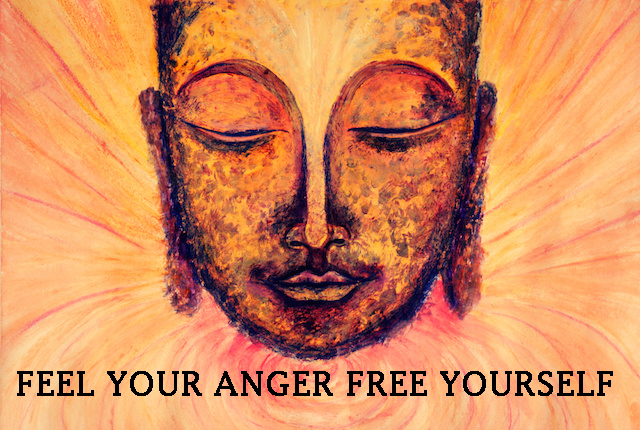
As an anger management expert, I know that anger is one of the most misunderstood human emotions. Many people view it as destructive, dangerous, or shameful, while others believe that expressing anger means shouting, attacking, blaming, or losing control. As a result, some people fear their anger and suppress it, while others become consumed by it and allow it to control their behavior. Neither approach offers genuine emotional freedom.
Anger itself is not the enemy. It is a natural and intelligent emotional response that communicates important information about our experiences, needs, values, boundaries, and relationships. It may tell us that we have been mistreated, ignored, disrespected, controlled, betrayed, or deprived of something meaningful. It can signal that a boundary has been crossed, an injustice has occurred, or a part of us has remained silent for too long.
The problem is not that we feel anger. The problem begins when we do not understand it, cannot regulate it, or express it in ways that harm ourselves and others. When we repress anger, it does not simply disappear. It may become resentment, anxiety, depression, emotional numbness, physical tension, passive aggression, or chronic irritability. When we release anger impulsively, it may damage relationships, frighten others, and leave us feeling ashamed or regretful.
Learning to feel anger consciously allows us to use its energy without becoming its prisoner. When we are willing to listen to anger, understand its message, and respond with awareness, it can become a powerful force for self-respect, healing, courage, and positive change.
Anger Is a Messenger, Not a Master
Every emotion carries information, and anger is no exception. Fear warns us of danger, sadness helps us recognize loss, and guilt may alert us that we have acted against our values. Anger often tells us that something feels wrong and requires our attention.
You may become angry because someone spoke to you disrespectfully, ignored your needs, violated your trust, or repeatedly crossed a boundary. You may also feel angry when you are disappointed in yourself, overwhelmed by responsibilities, powerless to change a situation, or afraid of losing something important.
Anger becomes problematic when we treat it as a command rather than a message. Feeling angry does not mean that we must attack, insult, punish, or make an immediate decision. The emotion is real, but it does not have to determine our behavior.
Emotional maturity involves creating space between what we feel and what we do. We can acknowledge the anger, investigate what caused it, and then choose a response that reflects our values. In this way, we honor the emotion without surrendering our power to it.
The Cost of Suppressing Your Anger
Many people learned early in life that anger was unacceptable. They may have grown up in a family where conflict was avoided, emotional expression was discouraged, or maintaining peace was considered more important than speaking honestly. Others may have witnessed frightening expressions of anger and decided that they never wanted to become like the people who hurt them.
A child who is told to be quiet, pleasant, agreeable, or obedient may learn to disconnect from anger to preserve attachment and approval. Over time, this child may become an adult who has difficulty saying no, setting boundaries, asking for what they need, or confronting unfair treatment.
Suppressed anger does not vanish; it simply changes form. It may appear as sarcasm, withdrawal, procrastination, headaches, muscle tension, emotional eating, substance use, self-criticism, or a vague sense of dissatisfaction. Some people become chronically exhausted because they invest tremendous energy in containing emotions they are afraid to acknowledge.
Others appear calm until a relatively minor event triggers an intense reaction. The explosion may seem disproportionate to the situation, but it often reflects years of accumulated resentment. The final incident is only the spark that ignites the emotional material that has been stored for a long time.
Freedom begins when we stop judging ourselves for being angry and become curious about what the anger is trying to communicate.
Anger Often Protects More Vulnerable Feelings
Anger is sometimes a primary emotion, meaning that it arises directly in response to a threat, violation, or injustice. At other times, it is a secondary emotion that covers more vulnerable feelings beneath it.
A person may feel angry when they are actually hurt, afraid, rejected, embarrassed, lonely, powerless, or ashamed. Anger can feel stronger and safer than vulnerability because it creates energy and gives us a temporary sense of control. Saying, “I am furious that you did not call,” may feel less exposing than admitting, “I was afraid that I did not matter to you.”
This does not make the anger false. It means that the emotion has layers. If we respond only to the anger at the surface, we may miss the deeper pain that needs attention.
In relationships, this distinction is especially important. When one partner expresses anger and the other responds defensively, they can become trapped in a cycle of attack and withdrawal. The angry partner becomes louder in an effort to be heard, while the other becomes more distant in an effort to feel safe. Beneath the conflict, one person may be longing for reassurance while the other fears failure, criticism, or rejection.
Learning to identify the vulnerable feelings beneath anger can transform confrontation into communication. Instead of using anger as a weapon, we can use it as a doorway into greater honesty and intimacy.
Allow Yourself to Feel
Many people attempt to control anger by denying it. They say, “I am fine,” while their body is tense, their voice is cold, and their mind is filled with resentment. This is not emotional regulation. It is emotional avoidance.
Regulation begins with recognition. We cannot manage an emotion that we refuse to acknowledge. Giving yourself permission to feel angry does not mean approving of every angry thought or acting on every impulse. It means accepting that anger is part of your present experience.
You might say to yourself, “I am angry right now, and I want to understand why.” This simple statement creates awareness and reduces the internal struggle against the emotion. Rather than being ashamed of your anger, you become an observer of it.
The goal is not to eliminate anger but to develop a healthier relationship with it. When you stop fighting the feeling, you gain more energy to understand and guide it.
Listen to Your Body’s Warning Signs
Anger is not experienced only in the mind. It is also a physical event. Your heartbeat may accelerate, your breathing may become shallow, your jaw may tighten, and your muscles may prepare for action. You may feel heat in your face, pressure in your chest, tension in your stomach, or a strong urge to move, shout, or strike out.
These physical sensations are valuable warning signs. They tell you that your nervous system is becoming activated and that your ability to think clearly may soon decline. If you wait until anger reaches its highest intensity, constructive communication becomes much more difficult.
Learning your early signals allows you to intervene sooner. You can pause the conversation, slow your breathing, take a walk, stretch, drink water, or place your attention on the sensations in your body. The purpose is not to escape the problem but to lower your emotional intensity enough to respond wisely.
A temporary pause can protect both you and the relationship, provided that you communicate your intention to return. Saying, “I am becoming overwhelmed, and I need twenty minutes to calm myself before we continue,” is very different from storming out or using silence as punishment.
Discover the Need Beneath Your Anger
Anger often points toward an unmet need. You may need respect, fairness, safety, honesty, appreciation, cooperation, rest, autonomy, affection, or emotional connection. When the need remains unidentified, anger may be expressed through criticism or blame.
For example, “You never care about anything I say” is likely to create defensiveness. A more conscious expression might be, “When I am speaking, and you look at your phone, I feel angry and unimportant. I need your attention so that I know we are connected.”
The second statement does not deny the anger. It translates the emotion into information that the other person can understand. It identifies the behavior, describes the emotional impact, and communicates the underlying need.
This process also helps us distinguish between a legitimate need and a demand that another person behave exactly as we want. Anger may reveal what matters to us, but it does not guarantee that others will agree or comply. Our responsibility is to communicate clearly, establish appropriate boundaries, and decide how we will respond if our needs continue to be ignored.
Transform Anger Into Assertiveness
Anger contains tremendous energy. When unconscious, that energy may become aggression; when suppressed, it may become passivity. When guided by awareness, it can become assertiveness.
Aggression attempts to dominate, intimidate, or injure another person. Passivity abandons our needs to avoid discomfort or disapproval. Assertiveness respects both ourselves and others. It allows us to speak honestly, set limits, and protect what matters without unnecessary hostility.
An assertive response may involve saying no, requesting change, ending an unhealthy interaction, confronting injustice, or leaving a relationship that repeatedly violates our dignity. It may also involve accepting that we cannot control another person and redirecting our energy toward the choices that remain available to us.
The more directly and respectfully we communicate our concerns, the less likely resentment is to accumulate. Assertiveness prevents anger from becoming a hidden emotional debt that eventually demands repayment.
Release Anger Without Causing Harm
Anger creates physical energy that often needs a safe form of release. Movement can be particularly helpful because it allows the body to complete some of the activation associated with the stress response. Walking, running, exercising, dancing, or practicing yoga may help reduce tension and restore emotional balance.
Writing can also provide a safe outlet. You can write freely about what happened, what you wanted to say, what you felt, and what you needed. The purpose is not necessarily to send the writing to anyone but to give the emotion a place to exist outside your mind.
Mindfulness practices can help you remain present with anger without feeding it. Notice where it lives in your body, how it changes from moment to moment, and what thoughts intensify it. By observing anger as an experience rather than becoming fully identified with it, you discover that emotions rise, change, and eventually pass.
It is important to distinguish healthy release from emotional rehearsal. Repeatedly imagining revenge, retelling the same grievance, or surrounding yourself with people who intensify your rage may strengthen rather than reduce anger. True release helps the nervous system settle and leads toward clarity.
Let Go Without Denying What Happened
Letting go of anger does not mean pretending that the injury was acceptable. It does not require forgetting, reconciling, or trusting someone who remains unsafe. Forgiveness, when appropriate, is not the absence of boundaries or the surrender of self-respect.
Letting go means deciding that the past will no longer control your emotional life. It means releasing the ongoing internal struggle with an event that cannot be changed, while using what you learned to protect and guide your future.
Sometimes anger remains because we are waiting for an apology, acknowledgment, or justice that may never come. Our healing then becomes dependent on the person who harmed us. Freedom requires reclaiming that authority. We can validate our own experience, grieve what was lost, establish boundaries, and move forward even when the other person refuses to take responsibility.
This is not a single decision but a gradual emotional process. Anger may return, especially when old wounds are triggered. Each time it does, we can listen again, care for the vulnerable parts beneath it, and choose not to recreate the original injury within ourselves.
Feel Your Anger and Reclaim Your Freedom
To feel your anger is to become more fully alive. It is to recognize when your dignity has been violated, when your boundaries need protection, and when your life requires change. Anger can give you the courage to speak, act, and stop accepting what is harmful.
However, freedom does not come from discharging anger onto others or allowing it to determine your identity. It comes from developing the capacity to experience the emotion without being controlled by it. You can feel anger while remaining compassionate. You can be strong without becoming cruel. You can forgive without abandoning your boundaries, and you can release resentment without denying your pain.
When you approach anger with curiosity rather than judgment, it becomes a guide. It shows you where you are hurt, what you value, what you need, and what must change. By listening to its message and directing its energy consciously, you transform anger from a burden into a source of wisdom.
Your anger is not proof that something is wrong with you. It is an invitation to pay attention. Feel it, understand it, and allow it to guide you toward a life built on greater honesty, courage, self-respect, and emotional freedom.
Words by Abraham Twerski on feeling your feelings
You may think that suppressing your anger is good for others and yourself. Yet, it is actually the opposite. The more you deny your anger, the more disservice it becomes. Sooner or later, by repressing anger, anger is pushed into your unconscious and operates on you without your awareness to become destructive.
There are many reasons why we don’t allow ourselves to feel anger. In some cultures or families, expression of emotions, especially anger, indicates weakness. Maybe anger was dangerous, or an indication of a lack of safety. But again, it becomes detrimental to your own wellbeing. Yes, it may not be easy to feel anger, but it can definitely be possible and even necessary.
The renowned psychiatrist Rabbi Abraham Twerski tells a story about the consequences of avoiding unpleasant feelings. One day the faucet in his laundry room began leaking, and he called a plumber. The plumber explained that since Rabbi Twerski’s house was old, the valve had probably not been used for a very long time and thus had become frozen. He added that the only way to fix the faucet was to turn off the main valve that controlled the water to the entire house. After further inspection, the plumber reported that the entire pipe was eroded and needed to be replaced. He completed the work and turned the valves back on again. From then on, every time Rabbi Twerski turned on a faucet anywhere in the house, there was an initial explosive discharge of rusty water, which gradually resolved into a clear, smooth flow.
If we do not acknowledge or express our feelings, for whatever reason (fear, pain, trauma, or social stigma), we can become detached from them. It’s as though we’ve turned off the main valve of our entire emotional system, preventing us from feeling pain and anger, but also keeping us from experiencing joy or happiness. After a while, it becomes a habit not to feel, and when we do dare to turn on the faucet, the burst of pent-up emotion may be frightening.
Imagine trying to stop a stream of water with your hands. Your hands don’t slow the flow of the water, but instead force it to move faster around your hand. In a similar way, anger will flow even if you try to block it. Once you allow yourself to feel your anger, you can balance it and redirect its power constructively. Yes, it might be uncomfortable to experience the anger, but it will not be as unpleasant as stopped-up energy. The attempt to control anger is what leads to those overwhelming sensations, as if a dam is about to burst.
Anger that is not faced and dealt with directly can often lead to other problems, including feelings of anxiety and depression as well as acting it out, like passive-aggressive behaviors. So, you better learn how to be angry rather than pretending not to be. The key is to shift from being reactive to mindful, and respond to the anger rather than reacting to it.
Anger is an important emotion that keeps our boundaries protected. When we are angry, we feel frustrated, wronged or dismissed. It points out our need to be seen, validated and loved. Allowing yourself to feel the anger is the gateway to connecting to your deepest needs. In this way, feeling anger and exploring it can be a necessity to our wellbeing.
Anger pushes you to reset your boundaries and restore your sense of self. It gives you the motivation and energy to protect yourself and respond effectively to others. If necessary, anger can help you enforce your boundaries. When your boundaries have been violated, it is important to feel your anger. If you don’t feel your anger, it cannot serve its protective purpose, you may allow yourself to be manipulated, taken advantage of, or victimized. Without boundaries, you would have no shield.
Changing your habitual response to anger starts with welcoming anger and being willing to experience it. It requires you to let yourself feel your anger. You can start by being aware that there is an angry kid inside of you who wants his way. The more you ignore this kid or silence this kid, the more it will act out in other unpredictable, harmful ways. So, pay attention to this kid, listen to his/her need or the pain that’s underneath the anger. Most likely it’s sadness, grief, fear, or disappointment. The present feelings probably come with triggering memories. If you can bring these memories and allow yourself to feel the painful emotions that you experience in the past and bring them to consciousness, you can work through whatever it was that initially hurt you and come back to the present day with a less charge and intensity, which in turn would allow you to tackle it head-on.

