


Conflict Resolution in Couples: The shift that changes everything
Conflict is not the problem in relationships—how couples handle conflict is. Over years of working with partners in New York City, I’ve seen the same pattern repeat itself: intelligent, well-meaning people stuck in painful cycles they don’t fully understand. They argue about the same issues, feel unheard, and slowly begin to disconnect. The truth is, most couples aren’t lacking love or commitment—they’re lacking a clear, actionable approach to conflict resolution in couples that actually works in real life, not just in theory.
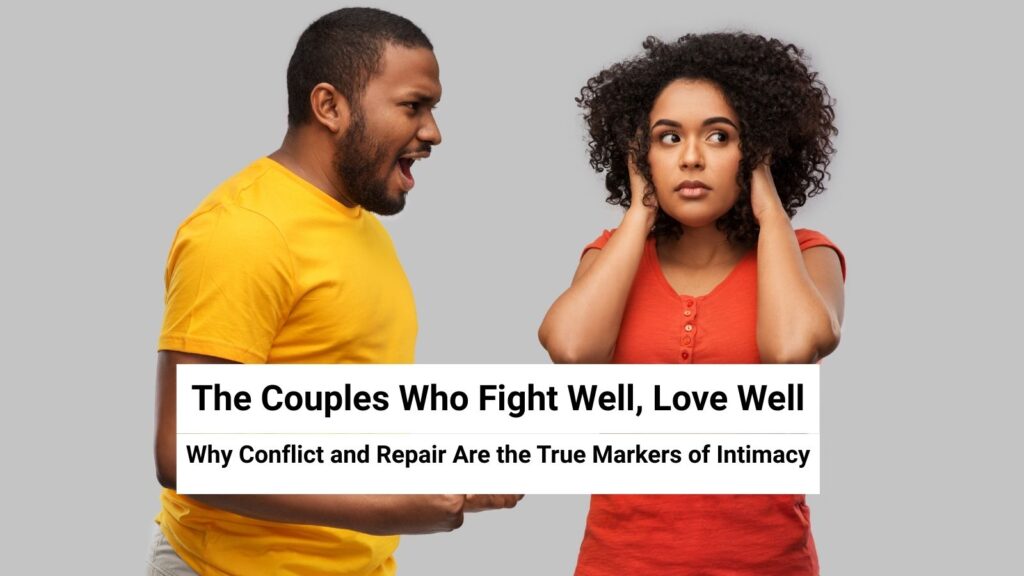
The shift that changes everything is surprisingly simple, yet deeply transformative: moving from winning the argument to understanding the emotional experience underneath it. This is not about avoiding conflict or becoming overly agreeable. It’s about learning how to engage differently so that conflict becomes a doorway to deeper connection instead of a threat to the relationship. In this guide, I’ll walk you through a tactical, psychologically grounded approach to conflict resolution in couples—drawing from Emotionally Focused Therapy (EFT), Internal Family Systems (IFS), and Gottman Method principles—so you can begin making meaningful changes immediately.
Why Most Couples Get Stuck in the Same Conflicts
When couples come into therapy, they often believe their issue is about communication techniques or personality differences. While those factors play a role, the deeper issue is usually emotional reactivity. When something feels threatening—criticism, rejection, or being ignored—the brain shifts into a protective mode. This is where you see patterns like attacking, withdrawing, or becoming defensive. These reactions are not random; they are rooted in attachment needs and past experiences, often outside conscious awareness.
From an EFT perspective, these patterns form what we call a “negative cycle.” One partner may pursue, seeking reassurance or closeness, while the other withdraws to avoid feeling overwhelmed or inadequate. Both partners are trying to protect themselves, but their strategies clash. Without recognizing this cycle, couples end up blaming each other rather than addressing the pattern itself. Effective conflict resolution in couples begins by identifying this cycle as the true enemy—not your partner.
The Shift That Changes Everything: From Content to Emotion
Most arguments revolve around surface-level issues: chores, finances, parenting, or time management. But these are rarely the real problem. Beneath every conflict is an emotional need—often the need to feel valued, respected, or securely connected. The shift that changes everything is learning to move from arguing about the content of the disagreement to exploring the emotional meaning behind it.
For example, a disagreement about lateness might actually be about feeling unimportant. A conflict about spending might reflect deeper fears about security or control. When couples learn to articulate these underlying emotions instead of escalating the surface issue, the entire dynamic changes. This is where couples therapy support becomes especially valuable, as it helps partners slow down, identify emotional triggers, and respond with empathy rather than reactivity.
Recognizing Your Protective Parts (IFS Perspective)
Internal Family Systems (IFS) offers a powerful framework for understanding conflict. According to IFS, we all have “parts” within us—different aspects of our personality that take on roles to protect us. In conflict, these parts often take over. You might have a part that becomes critical, another that shuts down, or one that becomes overly accommodating. These parts are not flaws; they are protective mechanisms shaped by past experiences.
The challenge is that when two people’s protective parts interact, they often escalate each other. One partner’s anger might trigger the other’s withdrawal, which then intensifies the first partner’s frustration. Conflict resolution in couples improves dramatically when each partner learns to recognize when a protective part is activated and pauses before reacting. This creates space for a more grounded, compassionate response.
How to Identify Your Parts During Conflict
Start by paying attention to your internal state during disagreements. Notice physical sensations, thoughts, and impulses. Are you feeling tightness in your chest? Do you have an urge to interrupt or shut down? These are clues that a protective part is activated. Instead of immediately responding, take a moment to internally acknowledge what’s happening. This simple act of awareness can interrupt automatic patterns.
Next, try to name the part without judgment. For example, “A part of me feels attacked and wants to defend myself,” or “A part of me wants to withdraw because this feels overwhelming.” This language helps create separation between your core self and your reactive parts, allowing you to engage more intentionally. Over time, this practice builds emotional regulation and supports healthier conflict resolution in couples.
Practical Tools for De-escalating Conflict in Real Time
Understanding concepts is important, but real change happens through action. When conflict arises, couples need practical tools they can use in the moment. One of the most effective strategies is slowing down the interaction. This might mean taking a brief pause, lowering your tone, or simply acknowledging that emotions are running high. The goal is not to avoid the conversation but to create conditions where it can be productive.
Another key tool is reflective listening. Instead of preparing your rebuttal, focus on accurately understanding your partner’s perspective. This doesn’t mean you have to agree—it means you are willing to see their experience as valid. For many couples, working with a structured approach like guided relationship counseling sessions can help reinforce these skills and turn them into consistent habits rather than occasional efforts.
- Pause when emotions escalate and agree to return to the conversation
- Use “I” statements to express feelings without blame
- Reflect back what your partner says before responding
- Focus on one issue at a time instead of bringing up past grievances
- Validate emotions even if you disagree with the perspective
Building Emotional Safety Through Repair Attempts
In the Gottman Method, one of the strongest predictors of relationship success is not the absence of conflict, but the ability to repair after it. Repair attempts are small actions or statements that de-escalate tension and restore connection. These might include humor, a gentle touch, or simply saying, “I think we’re getting off track—can we start over?” The effectiveness of these attempts depends on both partners being willing to accept them.
Emotional safety is built over time through consistent repair. When partners trust that conflict won’t lead to emotional harm or disconnection, they become more open and less defensive. This creates a positive feedback loop where conflicts are resolved more quickly and with less intensity. Developing this skill often requires intentional practice, and many couples benefit from structured professional marriage therapy sessions that focus specifically on repair and emotional attunement.
What Makes a Repair Attempt Effective
Timing is crucial. A repair attempt is most effective when it happens early in the conflict, before emotions escalate too far. However, even late attempts can be helpful if delivered sincerely. The key is authenticity—your partner needs to feel that you genuinely want to reconnect, not just end the argument quickly. Tone of voice, body language, and facial expression all play a role in how the message is received.
Equally important is the willingness to receive repair attempts. If one partner consistently rejects these efforts, the relationship can become stuck in a cycle of escalation. Practicing openness—even when you’re still upset—can make a significant difference. Over time, this mutual effort strengthens trust and improves overall conflict resolution in couples.
Turning Conflict Into Connection
At its core, conflict resolution in couples is not just about solving problems—it’s about deepening connection. When handled effectively, conflict becomes an opportunity to understand each other more fully. This requires a shift in mindset: instead of viewing conflict as something to avoid or win, see it as a process of discovery. What is your partner really feeling? What do they need? And what does this moment reveal about your relationship?
This perspective aligns with the principles of secure attachment. When partners feel safe to express vulnerability and know they will be met with empathy, the relationship becomes more resilient. Even difficult conversations can strengthen the bond when approached with curiosity and care. Over time, this transforms the entire emotional climate of the relationship, making conflict less threatening and more constructive.
Conclusion: Small Shifts, Lasting Change
The shift from reacting to understanding may seem subtle, but its impact is profound. By focusing on emotional meaning, recognizing protective patterns, and using practical tools to navigate conflict, couples can break free from repetitive cycles and build a more secure, connected relationship. This is not about perfection—it’s about progress and consistency over time.
If you take one idea from this guide, let it be this: conflict is not your enemy. When approached with intention and skill, it becomes one of the most powerful tools for growth and connection in your relationship. The work is not always easy, but the results—greater trust, intimacy, and emotional safety—are well worth the effort.

