



High-Conflict Dynamics in Couples: What most people get wrong about love and conflict
Most couples who walk into my office believe their problem is conflict itself. They describe frequent arguments, emotional blowups, or long stretches of cold silence and conclude that something is fundamentally broken in their relationship. But here is the truth I share with them, often to their surprise: conflict is not the problem. In fact, conflict is inevitable in any meaningful relationship. What matters is how couples experience, interpret, and respond to that conflict. When we misunderstand what conflict represents, we unintentionally reinforce the very patterns that hurt us.
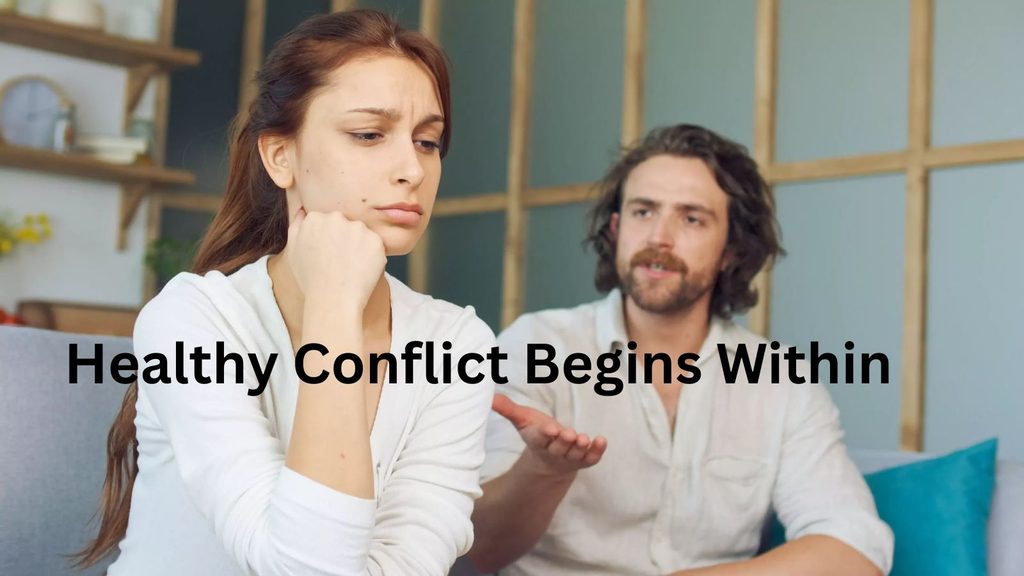
High-conflict dynamics in couples are not simply about “too many arguments” or incompatible personalities. They are about cycles—predictable, emotionally charged patterns where both partners feel unseen, unheard, and unsafe. These cycles are driven by deeper emotional needs, attachment wounds, and protective strategies that often operate outside conscious awareness. When couples begin to understand these patterns instead of blaming each other, everything changes. This article will guide you through what most people get wrong about love and conflict, and more importantly, how to shift from destructive cycles to meaningful connection.
Why Conflict Feels Like a Threat Instead of an Opportunity
At the core of high-conflict dynamics in couples is a nervous system that perceives emotional disconnection as danger. This is not an exaggeration—it is biology. From an attachment perspective, humans are wired to seek safety and connection in close relationships. When that bond feels threatened, whether through criticism, withdrawal, or misunderstanding, the brain reacts as if survival is at stake. This is why arguments can escalate so quickly and feel disproportionately intense compared to the situation at hand. What appears as overreaction is often a deeply rooted fear of abandonment, rejection, or inadequacy.
Most people assume that strong relationships should be relatively conflict-free, and when conflict arises, they interpret it as evidence that something is wrong. This belief creates a dangerous loop. Instead of approaching disagreements with curiosity, couples enter defensive mode. One partner may pursue, demanding resolution or validation, while the other withdraws to avoid escalation. These opposing strategies fuel each other, intensifying the cycle. When couples begin to see conflict not as a failure but as a signal—an invitation to understand unmet needs—they shift from reactivity to responsiveness.
The Cycle Beneath the Surface: Understanding Patterns, Not Incidents
One of the biggest misconceptions about high-conflict dynamics in couples is the belief that each argument stands alone. In reality, most conflicts are repetitions of the same emotional script. The content changes—finances, parenting, intimacy—but the underlying pattern remains consistent. For example, one partner may feel ignored and respond with criticism, while the other feels attacked and withdraws. This withdrawal then intensifies the first partner’s sense of abandonment, leading to more criticism. Without intervention, this cycle becomes entrenched.
Emotionally Focused Therapy (EFT) emphasizes identifying and interrupting these cycles. When couples can name the pattern—“This is our pursue-withdraw cycle”—they begin to externalize the problem instead of internalizing blame. This shift reduces defensiveness and opens the door to collaboration. Instead of asking, “What’s wrong with you?” couples begin asking, “What is happening between us?” That subtle change in perspective is often the first step toward healing high-conflict dynamics.
Recognizing Your Role Without Blame
Taking responsibility in a relationship does not mean accepting fault for everything. It means understanding how your protective responses contribute to the cycle. In Internal Family Systems (IFS) terms, these responses are parts of you trying to protect against emotional pain. One part may push for clarity and reassurance, while another avoids vulnerability at all costs. Neither is inherently wrong, but when they interact without awareness, they create friction.
Couples who engage in relationship therapy often learn to identify these parts and understand their intentions. This awareness fosters compassion, both for oneself and one’s partner. When compassion replaces judgment, the emotional tone of the relationship shifts dramatically, even before behavioral changes occur.
What Most People Get Wrong About Love
There is a persistent myth that love should feel easy and natural if it is “right.” This belief sets couples up for disappointment and confusion when challenges arise. Love, in its most meaningful form, requires effort, awareness, and emotional risk. It involves confronting parts of ourselves that we might prefer to avoid—our insecurities, fears, and unmet needs. High-conflict dynamics in couples often emerge when individuals expect love to eliminate discomfort rather than reveal it.
Another common misunderstanding is that being understood should happen automatically. In reality, even the most compatible partners have different emotional languages, histories, and triggers. Expecting your partner to intuitively meet your needs without clear communication leads to frustration. Healthy relationships are built on intentional dialogue, where both partners actively express and clarify their experiences. This does not mean over-explaining or justifying emotions, but rather sharing them in a way that invites connection instead of defensiveness.
The Role of Emotional Safety
Emotional safety is the foundation of any thriving relationship. Without it, even minor disagreements can escalate into major conflicts. Emotional safety means feeling accepted, valued, and free to express vulnerability without fear of ridicule or rejection. In high-conflict dynamics, this safety is often compromised, leading partners to adopt protective behaviors that further erode trust.
Rebuilding emotional safety requires consistency and intention. Small actions—such as validating your partner’s feelings, maintaining a calm tone, or taking breaks when overwhelmed—can have a significant impact. Over time, these behaviors signal reliability and care, gradually restoring trust. Couples who invest in guided couples support sessions often find that structured environments help rebuild this safety more effectively.
How to De-Escalate High-Conflict Moments in Real Time
When emotions run high, logical thinking often takes a back seat. This is why traditional communication advice, such as “just listen” or “stay calm,” can feel unrealistic in the heat of the moment. De-escalation requires practical tools that align with how the brain functions under stress. The first step is recognizing the signs of escalation—raised voices, rapid speech, physical tension—and pausing before the situation intensifies.
One effective strategy is the use of time-outs, but not in the way most people think. A time-out should not be an escape or avoidance tactic. Instead, it should be a mutually agreed-upon pause with a clear plan to return to the conversation. This approach respects both partners’ emotional limits while maintaining accountability. Over time, these pauses prevent conflicts from reaching destructive levels and allow for more productive discussions.
- Identify physical signs of escalation early, such as tension or rapid heartbeat
- Use agreed-upon phrases like “I need a pause” instead of walking away abruptly
- Set a specific time to revisit the conversation
- Engage in calming activities during the break, such as deep breathing or a short walk
- Return with a focus on understanding rather than winning
These techniques may seem simple, but their effectiveness lies in consistency. Couples who practice them regularly build resilience, making it easier to navigate future conflicts without falling into old patterns.
Rebuilding Connection After Conflict
One of the most overlooked aspects of high-conflict dynamics in couples is what happens after an argument. Many couples either sweep issues under the rug or continue to harbor resentment long after the conflict has ended. Repair is a critical component of relationship health. Without it, unresolved emotions accumulate, making future conflicts more volatile.
Repair involves acknowledging what happened, taking responsibility for one’s part, and expressing a genuine desire to reconnect. This does not mean agreeing on every detail, but rather validating the emotional experience of both partners. Statements like “I can see how that hurt you” or “I realize I became defensive” can go a long way in restoring connection. The goal is not perfection but progress—a willingness to learn and grow together.

When to Seek Professional Help
There comes a point when patterns become too entrenched to resolve without external support. This does not indicate failure; it reflects the complexity of human relationships. High-conflict dynamics in couples often involve deeply rooted attachment injuries that require guided exploration. Working with a trained therapist provides a structured environment where both partners can express themselves safely and constructively.
If you find that the same arguments repeat without resolution, or that communication consistently leads to escalation, it may be time to seek marriage therapy guidance. Professional support can help you identify underlying patterns, develop healthier communication strategies, and rebuild emotional connection. More importantly, it offers a space where both partners feel heard and understood, which is often the first step toward meaningful change.
Shifting From Conflict to Connection
Transforming high-conflict dynamics in couples is not about eliminating disagreements but about changing how those disagreements are experienced. When couples move from blame to curiosity, from defensiveness to vulnerability, and from reactivity to intentionality, conflict becomes an opportunity for growth. This shift requires patience and practice, but the rewards are profound—a deeper sense of trust, intimacy, and mutual understanding.
It is important to remember that change does not happen overnight. Small, consistent efforts often lead to the most sustainable results. Whether it is practicing active listening, expressing appreciation, or seeking couples counseling, each step contributes to a healthier dynamic. Over time, these changes create a new pattern—one where conflict is no longer feared but embraced as a pathway to connection.
Conclusion
High-conflict dynamics in couples are not a sign that a relationship is doomed. They are a signal that something deeper needs attention—unmet emotional needs, unresolved wounds, or ineffective communication patterns. When couples learn to interpret conflict through this lens, they gain the ability to respond with intention rather than react out of habit. This shift transforms not only how they handle disagreements but how they experience their relationship as a whole.
Love is not about avoiding conflict; it is about navigating it with awareness and care. By understanding the patterns beneath the surface, building emotional safety, and practicing effective communication strategies, couples can turn even the most challenging moments into opportunities for growth. With the right tools and mindset, what once felt like a source of pain can become a foundation for deeper connection and lasting intimacy.

