

High-Conflict Dynamics in Couples: What most people get wrong about love and conflict
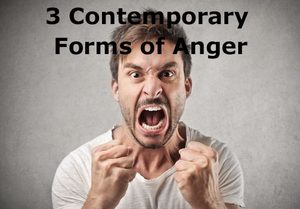
Love is often romanticized as a seamless blend of passion and harmony. However, the reality for many couples can be quite different, especially when high-conflict dynamics are at play. These dynamics can transform a relationship from a source of joy into a battlefield of misunderstandings and resentments. Many people enter relationships with preconceived notions about love and conflict, often leading them astray. Understanding these dynamics is crucial for anyone seeking to build a resilient and loving partnership.
Signs of High-Conflict Couples
High-conflict dynamics in couples can stem from a variety of sources, including communication breakdowns, unresolved past trauma, or differing expectations. The intensity of these conflicts can leave partners feeling trapped in a cycle of negativity. However, with the right tools and insights, it is possible to navigate these challenges and foster a more harmonious relationship. This article delves into what most people get wrong about love and conflict and offers practical strategies for managing high-conflict dynamics.
High-conflict dynamics in couples are not defined by how often partners argue, but by how they argue. The same patterns repeat: criticism replaces curiosity, defensiveness blocks accountability, and small issues quickly escalate into personal attacks. Conversations become battlegrounds where the goal is to win rather than understand. You’ll often see cycles of blame, where each partner feels like the victim and the other the problem. Emotional safety erodes—partners interrupt, invalidate, or weaponize past wounds. Even moments that could lead to repair are hijacked by reactivity, leaving both people feeling unseen, unheard, and increasingly alone within the relationship.
Over time, these patterns harden into a destructive loop. There may be chronic resentment, scorekeeping, or silent standoffs where disconnection replaces overt conflict. One partner may pursue while the other withdraws, creating a painful push-pull dynamic that intensifies frustration on both sides. Trust begins to erode—not only in fidelity, but in emotional reliability. You might notice that issues never truly get resolved, only recycled. Apologies feel empty or never come at all. What’s most telling is this: the relationship stops feeling like a place of refuge and starts feeling like a source of stress. Without intervention, high-conflict dynamics don’t just strain the relationship—they reshape how each partner sees themselves and each other.
Understanding High-Conflict Dynamics
High-conflict dynamics often manifest as frequent, intense arguments that seem to arise from nowhere. They can be fueled by deep-seated issues such as unmet emotional needs, trust issues, or incompatible communication styles. Many couples mistakenly believe that conflict is an indication of a failing relationship, but this is not necessarily the case. Conflict, when managed properly, can be a pathway to deeper understanding and connection.
What most people get wrong about love and conflict is the belief that true love is devoid of disagreements. In reality, even the healthiest relationships experience conflict. The key difference is how these conflicts are managed. Couples who thrive are those who have learned to navigate their differences with empathy and understanding. Recognizing that conflict is a natural part of any relationship is the first step toward addressing high-conflict dynamics.
The Role of Communication
Effective communication is the cornerstone of any successful relationship, especially when dealing with high-conflict dynamics. Miscommunication or lack of communication can exacerbate conflicts, leading to feelings of frustration and resentment. It is crucial for partners to develop skills in active listening, expressing feelings without blame, and understanding each other’s perspectives.
Active listening involves giving full attention to your partner, acknowledging their feelings, and responding thoughtfully. This practice can prevent misunderstandings and foster a deeper emotional connection. Additionally, expressing feelings without blaming the other person helps in reducing defensiveness and encourages open dialogue. By enhancing communication, couples can transform conflicts into opportunities for growth and understanding.
Common Misconceptions About Love and Conflict
One of the most prevalent misconceptions about love is that it should be effortless and free from conflict. This belief can lead to disappointment and disillusionment when reality does not match expectations. Many people also assume that conflict is inherently destructive, failing to see it as a potential catalyst for positive change.
Another misconception is that one partner is always to blame for conflicts. This mindset overlooks the complex interplay of emotions and behaviors that contribute to high-conflict dynamics. Both partners need to take responsibility for their roles in conflicts and work collaboratively to find solutions. Understanding that both partners contribute to the dynamics can help shift the focus from blame to resolution.
Building Emotional Intelligence
Emotional intelligence plays a critical role in managing high-conflict dynamics. It involves the ability to recognize, understand, and manage our own emotions, as well as empathize with the emotions of others. Developing emotional intelligence can help couples navigate conflicts more effectively and build a stronger emotional connection.
By practicing self-awareness, individuals can better understand their emotional triggers and how they affect their interactions. Empathy allows partners to appreciate each other’s feelings and perspectives, fostering mutual respect and understanding. Strengthening emotional intelligence can lead to healthier, more resilient relationships.
Strategies for Managing High-Conflict Dynamics
Successfully managing high-conflict dynamics requires a strategic approach. One effective strategy is to establish clear boundaries and rules for engagement during conflicts. This could include agreeing to take breaks when emotions run high or committing to resolving issues without resorting to personal attacks.
Another strategy is to seek professional guidance through couples therapy support. Therapy provides a safe space for partners to explore their conflicts with the guidance of a trained professional. Therapists can offer valuable insights and tools to help couples communicate more effectively and resolve their differences.
Embracing Conflict as a Growth Opportunity
Viewing conflict as an opportunity for growth can transform how couples approach their disagreements. Instead of seeing conflicts as obstacles, they can be seen as chances to learn more about each other and strengthen their bond. This shift in perspective encourages a more constructive approach to resolving issues.
By embracing conflict, couples can develop resilience and adaptability, essential traits for long-term relationship success. This proactive mindset allows partners to face challenges together, rather than being divided by them. Embracing conflict as a natural part of love encourages growth and deepens connection.

The Impact of Past Experiences
Past experiences, including childhood traumas and previous relationships, can heavily influence high-conflict dynamics in couples. These experiences often shape how individuals perceive love and conflict, sometimes leading to unrealistic expectations or maladaptive coping mechanisms.
Understanding the impact of past experiences requires introspection and honesty. It is important for partners to share their histories and how these experiences influence their current relationship dynamics. By acknowledging and addressing these influences, couples can break free from destructive patterns and create a healthier partnership.
Healing Through Understanding
Healing from past experiences involves recognizing and processing the emotions associated with them. This can be a challenging but rewarding journey that requires patience and compassion from both partners. Couples may benefit from engaging in therapeutic practices such as Emotionally Focused Therapy (EFT) or Internal Family Systems (IFS) to facilitate healing and understanding.
These therapeutic approaches can help individuals understand their emotional responses and how they affect their relationship. Through healing and understanding, couples can replace high-conflict dynamics with a nurturing and supportive environment that promotes mutual growth and fulfillment.
Conclusion
High-conflict dynamics in couples can be daunting, but they do not have to define a relationship. By challenging common misconceptions about love and conflict, couples can approach their challenges with a fresh perspective. Understanding that conflict is a natural part of any relationship and can lead to growth is crucial for fostering a healthy partnership.
Through effective communication, emotional intelligence, and professional support, couples can navigate high-conflict dynamics successfully. Embracing conflict as an opportunity for growth and understanding the impact of past experiences are essential steps in building a resilient and loving relationship. For those seeking guidance, exploring resources such as marriage therapy can provide valuable support on this journey.

