



Family Business Consulting: Strengthening Leadership, Relationships, and Long-Term Success While Understanding Its Challenges
Family businesses are built on something far deeper than revenue, market share, or operational success. They are built on legacy, trust, shared values, sacrifice, and the powerful desire to create something meaningful that can endure across generations. At their best, family businesses combine entrepreneurial spirit with loyalty, commitment, and a sense of purpose that extends far beyond profit. They can become vehicles for wealth creation, community impact, and lasting family pride.
Yet what makes family businesses powerful is often what makes them uniquely challenging.
Unlike traditional organizations, family businesses do not leave emotional history at the door. Business decisions are often influenced by long-standing family dynamics, unresolved tensions, sibling rivalry, loyalty conflicts, generational differences, and deeply rooted emotional patterns that can quietly shape leadership, communication, and strategic direction.
In a family business, conflict is rarely just about business.
A disagreement over succession may also be a struggle for recognition. A dispute over authority may reflect unresolved family hierarchy. Tension around accountability may be tied to long-standing resentment, entitlement, or fear of disappointing a parent or legacy founder. What appears to be a strategic challenge is often deeply intertwined with relationship dynamics, identity, and emotional history.
This is why family business consulting requires more than business knowledge alone.
It requires the ability to understand systems—both organizational and relational. It requires strategic clarity, leadership development, conflict resolution expertise, emotional intelligence, and the wisdom to navigate the complex intersection of family and enterprise.
When done well, family business consulting can transform conflict into alignment, uncertainty into strategic vision, and emotional reactivity into mature leadership. It can strengthen relationships while simultaneously strengthening the business itself.
The healthiest family businesses do not eliminate tension—they learn how to navigate it wisely.
What Makes Family Businesses Unique
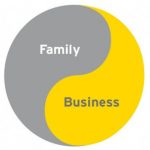
Family businesses operate within two overlapping systems:
- the family system
- the business system
Each has different needs, expectations, and emotional realities.
The family system values:
- belonging
- loyalty
- emotional connection
- protection
- legacy
- identity
The business system values:
- performance
- accountability
- clarity
- efficiency
- strategic decision-making
- leadership effectiveness
When these systems become blurred, problems emerge.
Family members may receive roles based on loyalty rather than competence. Difficult conversations may be avoided to protect relationships. Performance issues may become emotionally charged. Boundaries between personal and professional life may become unclear. Strategic decisions may be influenced by family politics rather than sound business judgment.
Without clarity, the overlap between family and business creates chronic tension.
With proper structure and leadership, however, this overlap becomes a unique competitive strength—creating businesses built on trust, loyalty, and long-term vision.
Common Challenges in Family Business
Family-owned businesses have to deal with a lot of challenges that do not affect their non-family owned counterparts. Whenever family members and relatives work together, emotional interference is often prevalent when it comes to business decision-making.
Family businesses possess extraordinary strengths—loyalty, long-term vision, deep commitment, and a shared sense of purpose. Yet they also face challenges that are uniquely complex because business issues are often intertwined with family relationships, emotional history, and legacy.
What makes family business difficult is that conflict is rarely just about business—it is often about identity, fairness, recognition, trust, and unresolved relational dynamics that have developed over many years.
Some of the most common challenges family businesses face include:
Blurred Boundaries Between Family and Business
When personal relationships and business roles overlap, boundaries can become unclear. Family conversations turn into business meetings, business disagreements become personal, and emotional tension spills into both family life and company culture. Without healthy boundaries, confusion, resentment, and conflict can quickly grow.
Leadership and Power Struggles
Questions of authority can create deep tension—especially when leadership roles are unclear or when multiple family members seek influence. Founders may struggle to let go of control, while next-generation leaders may feel overlooked, restricted, or undervalued. These power struggles can stall growth and divide the family system.
Succession and Generational Transition
Passing leadership from one generation to the next is one of the most emotionally charged transitions in family business. It raises difficult questions about readiness, fairness, competence, and trust. Without thoughtful planning, succession can create uncertainty, rivalry, and long-lasting relational fractures.
Sibling Rivalry and Family Dynamics
Old family roles often follow people into adulthood and into the business. Competition for approval, recognition, or influence can create rivalry among siblings or family members in leadership positions. Childhood wounds and longstanding emotional patterns may quietly shape adult business relationships in ways that undermine collaboration.
Communication Breakdown
Many family businesses struggle with communication because honesty is filtered through fear of conflict, loyalty concerns, or emotional history. Difficult conversations are postponed, feedback becomes defensive, and important issues remain unresolved until they become crises. Over time, poor communication weakens trust and decision-making.
Unequal Expectations and Accountability
When family members are held to different standards—or perceived to be—resentment builds. Some may feel overburdened while others appear protected by family ties. Without clear accountability, fairness becomes questioned, morale declines, and leadership credibility suffers.
Balancing Family Harmony with Business Performance
Family businesses often struggle between protecting relationships and making tough business decisions. Leaders may avoid difficult choices out of fear of hurting family members, yet avoiding those choices can weaken the organization. Healthy family enterprises learn how to combine compassion with accountability.
Emotional Reactivity Under Pressure
Because family relationships carry deep emotional history, business stress can trigger outsized reactions—anger, defensiveness, withdrawal, blame, or emotional shutdown. When reactivity replaces thoughtful leadership, conflict escalates and sound judgment suffers.
Family business challenges are rarely solved by strategy alone. They require emotional maturity, clear communication, healthy boundaries, strong leadership, and a willingness to address both the business system and the family system together.
When these challenges are approached wisely, what once created tension can become the very catalyst for greater alignment, stronger leadership, and lasting generational success.
The Hidden Emotional Dynamics Behind Business Conflict
Many family business leaders assume their problems are operational.
Often, they are relational.
Beneath business conflict may lie:
- sibling rivalry
- unresolved childhood roles
- fear of losing status or influence
- loyalty conflicts
- unspoken resentment
- unmet needs for recognition
- old wounds carried into adult leadership roles
- power struggles tied to identity
For example:
A younger sibling challenging leadership may be fighting not only for strategic direction, but for long-denied recognition.
A founder resisting succession may not simply fear retirement—but fear loss of identity, purpose, and control.
A high-performing family member may become resentful when accountability standards are not applied equally.
These are not merely business problems. They are systemic emotional dynamics that shape leadership and decision-making.
Addressing them requires insight, maturity, and skilled facilitation.
Communication: The Foundation of Healthy Leadership
Strong family businesses depend on strong communication.
Yet communication is often where breakdown begins.
Conversations become filtered through fear, defensiveness, family history, or assumptions. Important issues remain unspoken until tension builds. Feedback is avoided, softened, or delivered emotionally. Conflict becomes personal rather than productive.
Healthy leadership communication requires:
- clarity
- honesty
- accountability
- emotional regulation
- respectful disagreement
- active listening
- transparency
Communication must evolve from reactive conversation into intentional dialogue.
When communication improves:
- trust increases
- decision-making improves
- alignment strengthens
- conflict becomes more constructive
- leadership becomes more effective
This shift alone can transform both business performance and family relationships.
Leadership Development in Family Enterprise
Leadership in a family business is uniquely complex.
You are not simply managing teams—you are managing expectations, legacy, loyalty, emotional dynamics, and strategic vision simultaneously.
Effective family business leaders must develop:
- executive presence
- emotional intelligence
- conflict management skills
- communication mastery
- accountability systems
- strategic thinking
- resilience under pressure
- the ability to lead with clarity and fairness
Leadership maturity becomes essential.
Without it, emotional reactivity drives decision-making.
With it, leaders become grounded, visionary, and capable of guiding both family and business through complexity.
Executive Coaching for Family Business Leaders
Executives in family enterprises often carry extraordinary pressure.
They must balance:
- business performance
- family expectations
- leadership politics
- succession planning
- internal conflict
- personal identity
- long-term vision
This can create burnout, emotional overload, decision fatigue, and chronic tension.
Executive coaching helps leaders develop:
- greater self-awareness
- stronger decision-making
- emotional discipline
- communication effectiveness
- strategic clarity
- leadership confidence
- healthier boundaries
- increased resilience
The strongest leaders are not those who dominate emotionally—they are those who lead with calm authority, emotional maturity, and strategic wisdom.
Executive coaching helps leaders become more effective from the inside out.
Succession Planning: Preparing the Next Generation
Succession is one of the most sensitive transitions in family business.
It raises profound questions:
Who is ready?
Who is capable?
Who deserves leadership?
How will power shift?
How does legacy continue?
How does the founder let go?
These are not simply structural decisions—they are deeply emotional transitions.
Successful succession planning requires:
- clear leadership criteria
- open dialogue
- role clarity
- governance systems
- developmental coaching
- emotional preparation for transition
Succession is not only about transferring ownership—it is about preparing leadership psychologically, relationally, and strategically.
Done well, succession becomes renewal rather than crisis.
Boundaries, Roles, and Governance
Healthy family businesses create clarity.
This means defining:
- leadership roles
- authority structures
- accountability expectations
- compensation standards
- performance evaluation systems
- decision-making processes
- boundaries between family and business issues
Without structure, confusion breeds conflict.
With governance, fairness and clarity emerge.
Clear systems reduce emotional decision-making and help family members operate with greater professionalism, trust, and accountability.
Structure protects relationships.
Managing Conflict Without Damaging Relationships
Conflict is inevitable.
What matters is how it is handled.
Family businesses often struggle because conflict quickly becomes personal.
Disagreement becomes disrespect. Frustration becomes blame. Old wounds become activated.
Healthy conflict management requires:
- slowing escalation
- separating issues from identity
- listening deeply
- addressing emotional undercurrents
- focusing on shared goals
- building repair after rupture
Conflict, handled well, becomes a source of innovation, honesty, and growth.
Handled poorly, it becomes destructive.
Working with Moshe Ratson, LMFT, MBA
Family business consulting requires a rare blend of skills.
Moshe Ratson, a family business consultant in New York City, brings a unique combination of executive coaching expertise, strategic business insight, deep family systems understanding, and conflict resolution mastery to family business consulting.
His background uniquely bridges:
- psychotherapy and relational systems
- executive leadership coaching
- practical business experience and strategy through his MBA training
- conflict resolution and communication mastery
- emotional intelligence development
- peak performance principles shaped by his experience as a professional basketball player and coach
This combination offers something uncommon in the consulting world:
the ability to understand both business complexity and human complexity.
Moshe helps family business leaders:
- strengthen leadership effectiveness
- navigate conflict productively
- improve communication across generations
- develop emotionally mature leadership
- clarify roles and boundaries
- support succession transitions
- transform family tension into collaborative strength
His approach is:
- strategic yet deeply relational
- psychologically sophisticated yet practical
- direct yet compassionate
- focused on lasting transformation—not temporary fixes
Rather than addressing symptoms alone, he helps clients uncover root patterns that shape leadership, communication, and organizational culture.
This creates deeper, more sustainable change.
Building a Legacy That Lasts
A thriving family business is more than a successful enterprise.
It is a living legacy.
It is the opportunity to create wealth, meaning, leadership, and values that endure across generations.
But legacy is not sustained by business success alone.
It is sustained by:
- healthy leadership
- emotional maturity
- strong communication
- strategic clarity
- wise governance
- trust
- the ability to navigate conflict constructively
When family relationships strengthen, business performance often strengthens as well.
When leadership matures, the entire system evolves.
Family business consulting helps create that evolution—transforming complexity into alignment, tension into growth, and legacy into something truly enduring.
The strongest family businesses are not simply profitable.
They are resilient, emotionally intelligent, strategically grounded, and united by a shared vision for the future.

