



The Challenge of Passive-Aggressive Behavior
Passive-aggressive behavior is one of the most misunderstood and quietly destructive patterns I see in my work as a couples therapist and executive coach. Unlike overt anger, which you can recognize and address directly, passive aggression operates beneath the surface, often disguised as politeness, forgetfulness, or subtle resistance. Yet the emotional impact is just as powerful, if not more so, because it creates confusion, mistrust, and emotional distance over time. Many individuals who struggle with passive-aggressive behavior are not even aware they are expressing anger—they feel misunderstood, overlooked, or internally tense.

What makes this pattern particularly harmful is that it prevents authentic communication. When anger is not expressed clearly and constructively, it doesn’t disappear—it finds alternative ways to emerge. This might look like sarcasm, procrastination, silent treatment, or backhanded compliments. In relationships, especially intimate ones, these behaviors chip away at emotional safety. Understanding passive-aggressive behavior is the first step toward replacing it with healthier emotional expression, and ultimately, stronger, more honest connections.
Understanding Passive Aggressive Behavior at Its Core
At its core, passive-aggressive behavior is a defense mechanism rooted in the fear of confrontation. Many individuals learn early in life that expressing anger openly is unsafe, unacceptable, or ineffective. As a result, they develop indirect ways of communicating dissatisfaction. Instead of saying, “I feel hurt,” they might withdraw emotionally or respond with subtle hostility. This pattern becomes ingrained over time, often operating unconsciously and automatically in adult relationships.
From a psychological perspective, passive aggression reflects a disconnect between internal emotions and external expression. In approaches like Internal Family Systems (IFS), we might understand this as a protective part stepping in to avoid vulnerability or conflict. Meanwhile, Emotionally Focused Therapy (EFT) highlights how unexpressed emotions—especially anger—can create cycles of disconnection between partners. The challenge is that passive-aggressive behavior rarely resolves the underlying issue; instead, it perpetuates emotional distance and unresolved tension.
Common Signs You Might Be Missing
Many people assume passive aggression is obvious, but it often hides in everyday interactions. You might notice patterns such as chronic procrastination on tasks requested by others, subtle sarcasm disguised as humor, or consistently “forgetting” commitments. These behaviors allow individuals to express resistance without openly acknowledging it, which can feel safer but ultimately undermines trust.
Another key indicator is emotional inconsistency. Someone may verbally agree to something while their actions suggest resentment or reluctance. Over time, this inconsistency creates confusion and frustration for others. In relationships, it can lead to repeated misunderstandings where one partner feels dismissed or invalidated, while the other feels pressured or misunderstood but unable to articulate their feelings directly.
Why Unexpressed Anger Finds a Way Out
Anger is a natural and necessary emotion. It signals that something feels unfair, threatening, or misaligned with your values. However, when anger is suppressed rather than acknowledged, it doesn’t simply disappear. Instead, it builds internally, often manifesting in indirect behaviors. Passive-aggressive behavior is one of the most common ways this suppressed anger leaks out, especially in environments where direct expression feels risky.
From a Gottman perspective, unexpressed anger contributes to what is known as “negative sentiment override,” where even neutral interactions are interpreted through a lens of frustration and resentment. This creates a cycle where small issues escalate into larger relational patterns. Without conscious awareness, individuals may believe they are avoiding conflict, when in reality, they are prolonging and intensifying it in subtle ways.
The Emotional Cost of Avoidance
Avoiding direct communication might feel like maintaining peace in the short term, but it often leads to long-term emotional strain. When anger is not expressed openly, it can turn inward, leading to feelings of helplessness, anxiety, or even depression. Alternatively, it can manifest outwardly in ways that damage relationships, such as chronic criticism or withdrawal.
In professional settings, passive aggressive behavior can also impact teamwork and leadership effectiveness. Missed deadlines, unclear communication, and underlying resentment can disrupt collaboration and reduce trust among colleagues. Recognizing the emotional cost of avoidance is crucial for breaking this pattern and creating healthier ways of engaging with others.
The Impact on Relationships and Emotional Safety
Passive aggressive behavior erodes one of the most important foundations of any relationship: emotional safety. When communication is indirect or inconsistent, it becomes difficult for partners to feel secure and understood. Over time, this leads to a breakdown in trust, as one partner may feel they have to “read between the lines” rather than rely on clear, honest communication.
In couples therapy, I often see how passive aggression creates cycles of frustration. One partner may withdraw or express sarcasm, while the other responds with confusion or defensiveness. This dynamic prevents meaningful resolution and reinforces emotional distance. Seeking support through professional couples counseling services can help partners identify these patterns and learn healthier ways to communicate their needs and emotions.
Over time, passive-aggressive behavior can lead to deeper relational wounds. Partners may begin to feel unseen, unvalued, or emotionally neglected. This can result in decreased intimacy, increased conflict, and even the eventual breakdown of the relationship if left unaddressed. Recognizing the impact of these behaviors is essential for rebuilding connection and trust.
When emotional safety is compromised, individuals may also become less willing to be vulnerable. They may withhold their true feelings or needs, fearing negative reactions or further misunderstandings. This creates a cycle where both partners feel disconnected, even if they are physically present together. Addressing passive-aggressive behavior is not just about improving communication—it’s about restoring emotional closeness and mutual understanding.
Breaking the Cycle: From Indirect to Authentic Expression
Changing passive aggressive behavior requires both self-awareness and intentional effort. The first step is recognizing when you are experiencing anger and allowing yourself to acknowledge it without judgment. This involves tuning into your emotional and physical cues, such as tension, frustration, or irritability, and identifying the underlying cause. Once you are aware of your emotions, you can begin to express them more directly and constructively.
One effective approach is using “I” statements to communicate your feelings and needs. For example, instead of saying, “You never listen,” you might say, “I feel frustrated when I don’t feel heard.” This shift reduces defensiveness and creates space for open dialogue. Over time, practicing direct communication can help replace passive-aggressive patterns with healthier, more transparent interactions.
- Pause and identify your true emotion before reacting
- Use clear, direct language to express your needs
- Avoid sarcasm or indirect comments that mask your feelings
- Seek clarification instead of making assumptions
- Practice active listening to foster mutual understanding
Breaking this cycle also involves addressing the underlying beliefs that fuel passive aggression. This might include fears of rejection, conflict, or vulnerability. Working through these fears, often with professional support, can help individuals develop greater confidence in expressing themselves authentically.
For those struggling to shift these patterns, seeking anger management help can provide valuable tools and guidance. Structured support allows individuals to explore the roots of their anger and develop healthier ways to communicate and regulate their emotions.
Healing Through Awareness and Relational Work
Healing from passive-aggressive behavior is not just an individual process—it often requires relational work as well. In many cases, these patterns develop within the context of relationships and are reinforced over time. Addressing them involves both personal growth and collaborative effort, particularly in intimate partnerships where these dynamics are most pronounced.
Therapeutic approaches such as EFT focus on identifying and reshaping emotional patterns between partners. By creating a safe space for vulnerability, individuals can begin to express their true feelings without fear of judgment or rejection. Similarly, IFS helps individuals understand the internal parts that drive their behavior, allowing for greater self-compassion and integration.
In some cases, couples may benefit from engaging in structured marriage therapy sessions to address deeper relational patterns. These sessions provide a supportive environment to explore underlying issues, improve communication, and rebuild emotional connection. The goal is not just to eliminate passive-aggressive behavior, but to replace it with trust, openness, and mutual respect.
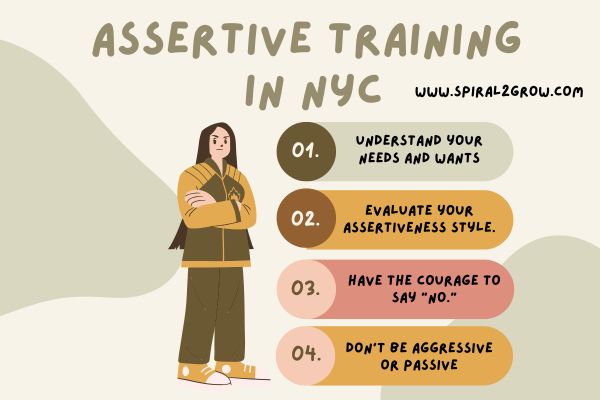
Awareness is the foundation of change, but sustained growth requires ongoing practice. This includes regularly checking in with your emotions, communicating openly, and being willing to address conflicts directly. Over time, these efforts can transform not only your relationships but also your overall sense of emotional well-being.
Creating a Culture of Honest Communication
Whether in personal relationships or professional environments, creating a culture of honest communication is essential for reducing passive-aggressive behavior. This involves setting clear expectations for transparency, encouraging open dialogue, and modeling direct communication. When individuals feel safe expressing their thoughts and emotions, they are less likely to resort to indirect behaviors.
Leaders and partners alike play a crucial role in fostering this environment. By responding to honesty with empathy and understanding, rather than criticism or defensiveness, they can reinforce positive communication patterns. This creates a feedback loop where individuals feel more comfortable expressing themselves openly, leading to stronger, more cohesive relationships.
It’s also important to recognize that change takes time. Shifting from passive-aggressive behavior to direct communication is a gradual process that requires patience and consistency. There may be setbacks along the way, but each effort to communicate honestly is a step toward healthier, more fulfilling interactions.
Ultimately, the goal is not to eliminate anger, but to transform how it is expressed. Anger, when communicated constructively, can lead to growth, understanding, and positive change. By embracing honest communication, individuals can break free from the cycle of passive aggression and build stronger, more authentic connections.
Conclusion: Turning Hidden Anger into Honest Connection
Passive-aggressive behavior may seem subtle, but its impact on relationships and emotional well-being is profound. By understanding how unexpressed anger manifests and recognizing its effects, you can begin to shift toward more direct and authentic communication. This process requires self-awareness, courage, and a willingness to engage with your emotions in a meaningful way.
As you work to transform these patterns, remember that change is possible with consistent effort and support. By addressing the root causes of passive aggression and practicing honest communication, you can create stronger, more connected relationships and a greater sense of emotional clarity in your life.

