



The Importance of Assertiveness and Self Esteem
Assertiveness and self-esteem are deeply connected aspects of emotional and psychological health. Together, they shape how individuals communicate, establish boundaries, navigate relationships, pursue goals, and experience themselves in the world. When self-esteem is healthy, people are generally more capable of expressing their thoughts, needs, emotions, and values with confidence and clarity. Likewise, when individuals practice assertiveness, they often strengthen their sense of self-worth and personal empowerment.
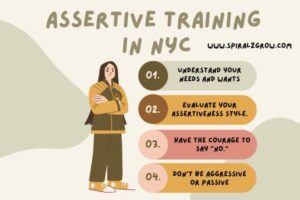
Unfortunately, many people struggle with both assertiveness and self-esteem. They may fear conflict, rejection, criticism, abandonment, or disapproval. As a result, they suppress their needs, avoid difficult conversations, tolerate unhealthy situations, or lose themselves in the expectations of others. Over time, this can lead to resentment, anxiety, emotional exhaustion, depression, and damaged relationships.
Learning to become more assertive while developing healthier self-esteem can transform virtually every area of life. It allows individuals to live with greater authenticity, emotional balance, confidence, and inner peace.
People who have mastered the skill of assertiveness are able to reduce the level of interpersonal conflict in their lives, thereby reducing a major source of stress. When assertive people face problems, they focus on solutions rather than problems, thereby being able to resolve conflicts successfully. Ultimately, assertive attitudes and behaviors are at the core of living a healthy and productive life.
Non-assertive people may be passive or aggressive. Passive individuals are not committed to their own rights and allow others to infringe on their rights rather than to stand up and speak out. On the other hand, aggressive persons are strongly defending their own rights but are also violating the rights of others. Additionally, aggressive individuals insist that their feelings and needs take precedence over those of other people. They also tend to blame others for problems instead of offering solutions.
Lack of assertiveness also promotes low self-esteem and social anxiety. While engaging in assertive behavior is rewarding and leads to positive self-esteem and a more fulfilling life. Whenever you see someone being assertive, rather than passive, aggressive, or both, you are witnessing an act of healthy self-esteem. Whenever you see someone verbally attacking others to get what they want, or being indirect about what they want, or silently enduring something they don’t want, you’re witnessing the result and perpetuation of injured self-esteem. So, while it’s clear that having high self-esteem makes it easier to practice assertive communication, it should also be noted that acting assertively promotes healthy self-esteem.
Understanding Self-Esteem
Self-esteem refers to the way individuals perceive and value themselves. It reflects the internal belief:
“I matter.”
“I have worth.”
“My thoughts, emotions, and needs are important.”
Healthy self-esteem does not mean arrogance, superiority, or narcissism. Rather, it involves having a grounded sense of self-worth while recognizing both strengths and imperfections.
People with healthy self-esteem generally:
- Respect themselves and others
- Feel more emotionally secure
- Handle criticism more effectively
- Recover from setbacks more easily
- Set healthier boundaries
- Pursue meaningful goals
- Tolerate mistakes without collapsing emotionally
In contrast, low self-esteem often creates chronic self-doubt and insecurity. Individuals may constantly seek approval, compare themselves to others, fear rejection, or struggle to trust themselves.
Low self-esteem can impact relationships, careers, decision-making, and emotional well-being.
What Is Assertiveness?
Assertiveness is the ability to express thoughts, feelings, needs, opinions, and boundaries in a respectful, confident, and healthy way.
Assertiveness exists between two unhealthy extremes:
- Passivity
- Aggression
Passive individuals often suppress themselves to avoid conflict or rejection. They may prioritize others excessively while neglecting their own needs.
Aggressive individuals, on the other hand, may dominate, intimidate, criticize, or violate the boundaries of others in an attempt to gain control or protect themselves.
Assertiveness represents balance.
An assertive person can say:
- “This is how I feel.”
- “This is what I need.”
- “I disagree.”
- “I am not comfortable with that.”
- “No.” while still respecting the dignity of others.
Assertiveness is not about controlling people. It is about honoring oneself while remaining respectful and emotionally responsible.
The Connection Between Assertiveness and Self-Esteem
Assertiveness and self-esteem reinforce one another.
Individuals with low self-esteem often struggle to be assertive because they fear:
- Disapproval
- Rejection
- Conflict
- Hurting others
- Being judged
- Losing relationships
They may unconsciously believe:
“My needs are less important.”
“I should not inconvenience others.”
“I do not deserve respect.”
“If I speak up, people will leave.”
As a result, they may remain silent even when they feel hurt, overwhelmed, disrespected, or emotionally unsafe. Over time, suppressing oneself damages self-esteem further because individuals repeatedly abandon their own emotional truth.
In contrast, practicing assertiveness strengthens self-esteem because it teaches individuals:
“My voice matters.”
“My feelings are valid.”
“I have the right to boundaries.”
“I deserve respect.”
Every time individuals communicate honestly and respectfully, they reinforce self-trust and emotional confidence.
The Fear Behind Lack of Assertiveness
Many people who struggle with assertiveness are not weak. They are afraid. Often, the fear originates from childhood experiences, relational trauma, criticism, emotional invalidation, or environments where speaking up felt unsafe.
Some individuals grew up in homes where:
- Conflict was explosive
- Emotions were dismissed
- Boundaries were ignored
- Love felt conditional
- Criticism was frequent
- Assertiveness was punished
In these environments, children may learn to suppress themselves in order to maintain safety or connection.
As adults, they may continue these patterns unconsciously. People-pleasing, conflict avoidance, emotional suppression, and difficulty setting boundaries are often survival adaptations rather than character flaws. Understanding this can help individuals approach themselves with greater compassion.
The Emotional Cost of Poor Assertiveness
When individuals consistently fail to express themselves, emotional consequences often emerge.
Common effects include:
- Resentment
- Anxiety
- Emotional exhaustion
- Burnout
- Depression
- Loss of identity
- Low self-worth
- Relationship dissatisfaction
- Passive-aggressive behavior
Many individuals who struggle with assertiveness silently accumulate frustration over time. Eventually, emotions may emerge indirectly through withdrawal, sarcasm, irritability, emotional shutdown, or explosive anger.
Healthy communication becomes difficult when emotions remain unspoken for too long. Assertiveness allows individuals to address issues before resentment becomes overwhelming.
Assertiveness in Relationships
Assertiveness is essential for healthy and fulfilling relationships.
Strong relationships require:
- Honest communication
- Emotional transparency
- Boundaries
- Mutual respect
- Accountability
- Emotional safety
Without assertiveness, relationships often become imbalanced.
One partner may over-function, sacrifice excessively, or suppress needs while the other partner unknowingly assumes greater emotional power. Over time, this imbalance can damage intimacy and trust.
Assertiveness allows individuals to communicate:
- Emotional needs
- Boundaries
- Expectations
- Concerns
- Desires
- Values
This creates a healthier emotional connection and reduces misunderstanding.
Ironically, many people avoid assertiveness because they fear losing relationships. Yet healthy assertiveness often strengthens relationships because it creates authenticity and clarity.
The Importance of Boundaries
Boundaries are one of the clearest expressions of self-esteem and assertiveness.
Healthy boundaries communicate:
- What is acceptable
- What is not acceptable
- Where personal responsibility begins and ends
People with low self-esteem often struggle to set boundaries because they fear guilt, rejection, conflict, or disappointing others.
However, without boundaries, individuals may become emotionally depleted, resentful, or overwhelmed.
Boundaries are not selfish. They are necessary for emotional health and healthy relationships.
Learning to say:
- “No.”
- “I need space.”
- “I am uncomfortable with that.”
- “I cannot do that right now.”
can be profoundly empowering.
Boundaries protect emotional well-being and reinforce self-respect.
Assertiveness in Work and Leadership
Assertiveness is also critical in professional life.
Individuals who struggle with assertiveness may:
- Avoid advocating for themselves
- Fear speaking up
- Have difficulty making decisions
- Overcommit
- Struggle with leadership
- Experience burnout
Healthy assertiveness allows individuals to:
- Communicate clearly
- Manage conflict effectively
- Negotiate respectfully
- Lead with confidence
- Express ideas openly
- Set professional boundaries
Assertiveness is not domination. In fact, the strongest leaders are often those who combine confidence with empathy, clarity, and emotional intelligence. Professionals with healthy self-esteem are generally more resilient, adaptable, and effective under pressure.
Building Healthy Self-Esteem
Improving self-esteem is an ongoing process that involves changing both internal beliefs and external behaviors.
Some important steps include:
Challenging Negative Self-Talk
Many individuals carry harsh internal criticism that damages confidence and emotional well-being.
Learning to identify and challenge self-critical thoughts can help create a healthier inner dialogue.
Practicing Self-Compassion
Self-esteem grows when individuals learn to treat themselves with kindness rather than constant judgment.
Self-compassion involves recognizing that imperfection is part of being human.
Taking Healthy Risks
Confidence grows through action.
Speaking up, setting boundaries, trying new experiences, and tolerating discomfort gradually strengthen emotional resilience.
Developing Self-Awareness
Understanding personal emotions, values, needs, and patterns helps individuals communicate more authentically and confidently.
Building Competence
Developing skills, pursuing goals, and following through on commitments can strengthen self-trust and confidence.
Learning Assertiveness Skills
Assertiveness can be learned and practiced.
Some helpful assertiveness skills include:
- Using “I” statements
- Speaking clearly and directly
- Maintaining calm body language
- Setting respectful boundaries
- Saying no without excessive guilt
- Expressing feelings honestly
- Listening actively
- Remaining emotionally regulated during conflict
Assertiveness is not about becoming harsh or confrontational. It is about communicating openly while remaining respectful.
Like any skill, assertiveness becomes easier with practice.
Therapy and Personal Growth
For many individuals, therapy can be extremely helpful in addressing low self-esteem and difficulties with assertiveness.
Therapy can help individuals explore:
- Childhood conditioning
- Trauma
- Fear of rejection
- People-pleasing patterns
- Relationship dynamics
- Shame and self-criticism
- Emotional suppression
Approaches such as CBT, ACT, Internal Family Systems (IFS), psychodynamic therapy, mindfulness, and assertiveness training can support lasting growth and emotional healing.
As individuals develop healthier self-esteem, they often become more capable of living authentically rather than constantly adapting themselves to the expectations of others.
Final Thoughts
Assertiveness and self-esteem are essential foundations of emotional health, fulfilling relationships, and personal empowerment.
When individuals lack self-esteem, they often silence themselves, abandon their needs, and lose connection with their authentic identity. When assertiveness is absent, resentment, anxiety, emotional exhaustion, and relational imbalance frequently emerge.
Healthy assertiveness allows individuals to communicate honestly, establish boundaries, and honor themselves while remaining respectful toward others.
True self-esteem does not come from perfection, approval, or external validation. It develops when individuals learn to trust themselves, value their inner experience, and live with authenticity and courage.
Learning to speak up, set boundaries, and honor one’s emotional truth is not selfish—it is an act of self-respect and emotional maturity.
Ultimately, assertiveness and self-esteem help individuals move from fear and self-abandonment toward confidence, authenticity, connection, and inner freedom.

