



Treating Alcohol With Couples and Marriage Therapy
How Healing the Relationship Can Support Recovery, Restore Trust, and Create Lasting Change
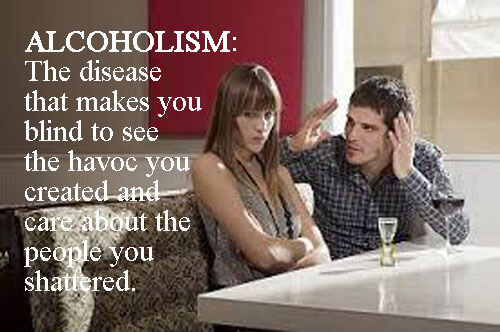
Alcohol abuse rarely affects only the person drinking. It reaches into every corner of a marriage—shaping communication, trust, emotional safety, intimacy, parenting, finances, and the overall health of the relationship. What may begin as occasional drinking or stress-related alcohol use can slowly become a destructive force that leaves both partners feeling wounded, disconnected, and emotionally exhausted. The spouse struggling with alcohol may feel trapped in shame, denial, or helplessness, while the other partner may feel lonely, resentful, anxious, and burdened by repeated disappointments. Over time, the marriage itself begins to suffer—not only because of alcohol, but because of the painful patterns that form around it.
Many couples find themselves trapped in predictable cycles. One partner drinks to cope with stress, emotional pain, trauma, loneliness, anxiety, or inner emptiness. The other reacts with anger, criticism, pleading, fear, or attempts to control the drinking. The partner struggling with alcohol may become defensive, secretive, or withdrawn. Promises are made, trust is broken, and conflict escalates. Resentment grows. Emotional intimacy fades. Both partners become reactive, and the relationship slowly becomes organized around the addiction. What is often missed is that alcohol abuse does not exist in a vacuum—it becomes woven into the relational system. This is why couples and marriage therapy can play a powerful role in healing—not only the individual struggling with alcohol, but the relationship itself.
Alcohol Is Often a Symptom of Deeper Emotional Pain
To treat alcohol abuse effectively, it is important to look beneath the behavior. Drinking is often an attempt to regulate difficult emotions, numb pain, avoid inner conflict, or cope with unresolved wounds.
Alcohol may temporarily help someone:
- escape anxiety
- quiet shame
- avoid painful memories
- soften loneliness
- numb depression
- reduce social discomfort
- cope with stress
- avoid emotional vulnerability
- manage anger or frustration
- fill an inner emptiness
While alcohol offers short-term relief, it creates long-term damage.
In couples therapy, the goal is not simply to stop the drinking—it is to understand what alcohol has been doing emotionally and relationally, and then help create healthier ways to meet those underlying needs.
Healing the Cycle Between Partners
One of the most valuable aspects of marriage therapy is helping couples recognize the negative cycle they are trapped in.
Often the cycle looks like this:
Pain → Drinking → Conflict → Defensiveness → Broken Trust → Emotional Distance → More Pain → More Drinking
Or:
Stress → Alcohol → Withdrawal → Partner Pursues → Escalation → Shame → More Drinking
Both partners become stuck in roles that reinforce suffering.
Couples therapy helps shift the focus from:
“Who is the problem?”
to:
“What cycle is hurting us both, and how do we change it together?”
This shift reduces blame and increases collaboration.
Restoring Trust After Broken Promises
Alcohol abuse often damages trust.
Broken promises, hiding drinking, dishonesty, emotional absence, irresponsible behavior, financial strain, or intoxicated conflict create relational wounds that do not heal automatically.
Trust must be rebuilt intentionally.
Couples therapy helps partners:
- speak honestly about pain and disappointment
- process betrayal and resentment
- rebuild transparency
- establish accountability
- create clear recovery agreements
- improve consistency between words and actions
- restore emotional reliability
Trust grows when actions repeatedly align with commitment.
Healing requires patience, accountability, and emotional honesty.
Improve Communication and De-Escalation
Alcohol-related conflict often becomes explosive, repetitive, and emotionally draining.
Couples therapy teaches healthier skills such as:
- communicating without blame
- expressing hurt vulnerably instead of attacking
- listening with empathy
- regulating anger
- de-escalating conflict
- setting respectful boundaries
- repairing emotional ruptures
- speaking truth without cruelty
When communication improves, emotional safety increases—and emotional safety supports recovery.
Address Codependency and Enabling
When one spouse struggles with alcohol, the other may unintentionally become over-functioning—monitoring, rescuing, controlling, covering up, or organizing life around the addiction.
This creates codependent patterns.
Marriage therapy helps couples identify:
- enabling behaviors
- unhealthy rescuing
- emotional over-functioning
- controlling patterns
- excessive caretaking
- blurred boundaries
- resentment beneath sacrifice
Healthy love requires compassion with boundaries, support without enabling, and accountability without cruelty.
Strengthen Emotional Connection
Many people drink because they feel emotionally disconnected—from themselves, from life, and from their partner.
Couples therapy helps rebuild:
- emotional intimacy
- vulnerability
- affection
- friendship
- partnership
- appreciation
- empathy
- meaningful connection
As emotional closeness increases, the need to escape through alcohol may decrease.
Healing connection can become part of healing addiction.
Address Individual Healing Too
Couples therapy is powerful, but many cases also require individual treatment.
This may include:
- addiction counseling
- psychotherapy
- trauma work
- support groups
- psychiatric care if needed
- relapse prevention planning
- mindfulness training
- lifestyle change
- medical detox in severe cases
The healthiest approach is often holistic—treating mind, body, emotions, and relationship patterns together.
Alcohol Use Disorders (AUD) come in two general forms, or levels: Alcohol abuse and alcohol dependence. Alcohol abuse refers to a problem pattern where the drinking interferes with work, school, or home life, as well as when the drinking is hazardous, such as when driving an automobile or operating machinery. Or, the problem may generate difficulties with the law, with the spouse or family, or in the social realm, such as getting into fights.
Alcohol dependence can include any or all of the above, but it is even more serious. The person may be unable to stop or control the drinking. There may be “tolerance” (having to increase the drinking amount to get the same effect), or “withdrawal” (having physical symptoms when drinking is stopped or decreased).
Drinking problems take their serious toll not only on the drinker, but also on everyone else around, particularly the close family members. It clearly affects the nature of the family and couple relationship. Therefore, it is important to get treatment as soon as possible, the situation will probably get worse. Depending on the severity of the Alcohol problem, the person may have to be detoxified—”dried out.” In some cases, the drinker may have medical or withdrawal problems that require hospitalization for detoxification.
Marriage Therapy for Alcohol Abuse
Marriage therapy in the case of an alcohol problem is difficult and complex. Evidence indicates that involvement of a nonalcoholic spouse in a treatment program can improve patient participation rates and increase the likelihood that the patient will correct drinking behavior after treatment ends. Accordingly, family therapy or couples therapy can help users and their loved ones deal with the stresses of withdrawal, relapse, figuring out available treatments, and deciding on the best options. Couples therapy acknowledges the reciprocal interaction between alcohol misuse and relationship problems. It views partners as critical to the recovery process, and targets both alcohol and relationship issues as areas for change. In this regard, the therapist needs to help people understand how the drinking affects the family and vice versa, and at the same time be able to identify what led to the drinking problem.
There are various approaches to marital family therapy. The three main approaches are the family disease approach, the family systems theory approach, and the behavioral approach. The family disease approach assumes that alcohol dependence is a disease and that family members also suffer from a disease known as co-dependency. Abstinence and acceptance of the disease are emphasized as the route to recovery.
Family systems theorists view alcohol dependence as a symptom of some type of family dysfunction. Members of the family behave in a manner which helps them adjust, but are, without knowing, maintaining the problem. Family systems therapists usually meet with the person with the alcohol use disorder and his/her family members to try and change patterns of behavior and communication within the family, which are thought to result in sobriety and family healing.
The third approach is a behavioral approach, which assumes that family members can reward sobriety and that alcohol dependent people from happier families with better communication have a lower risk of relapse. Behavioral couple therapy combines a focus on drinking with efforts to strengthen the marital relationship through shared activities and the teaching of communication and conflict resolution skills. Some therapists may combine couples therapy with the learning and rehearsal of a relapse prevention plan. The combination approach seems to improve marital relations and higher abstinence rates among alcoholics with severe marital and drinking problems.

