



The Unique Challenges Faced by Israeli-American Couples
Love becomes more complicated when cultures collide, not because the relationship is weak, but because each partner is bringing an entire emotional world into the marriage. In Israeli-American relationships, the friction often comes from more than personality differences. It comes from assumptions about loyalty, communication, conflict, family, identity, religion, and what partnership is supposed to feel like on an everyday level. What seemed charming early on can later feel exhausting, confusing, or even threatening when stress rises, and the couple no longer has enough shared language to make sense of the tension.
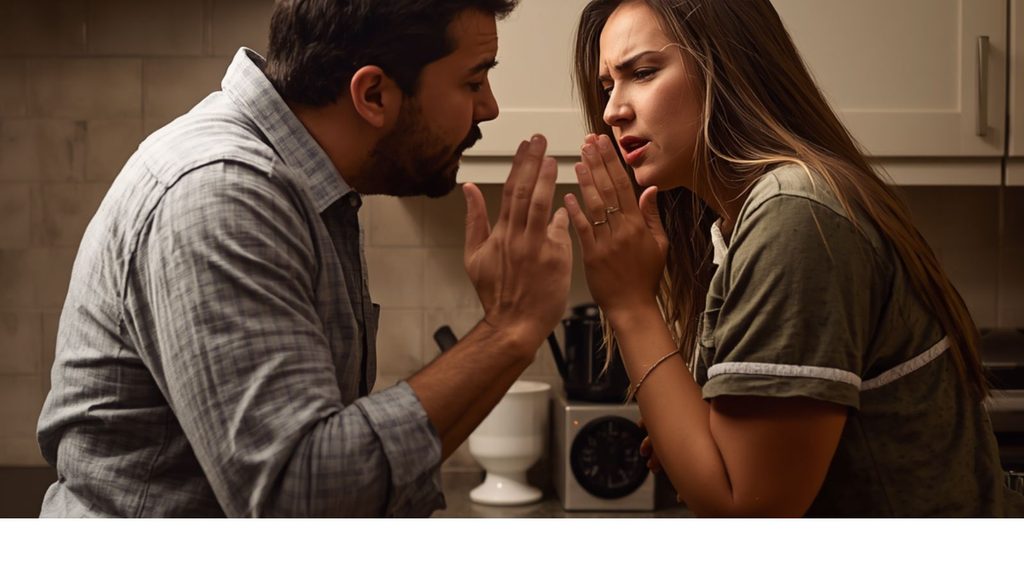
In my work as an Israeli-American couples therapist in New York City, I often see how deeply these dynamics affect otherwise loving partners. One person may experience the other as too blunt, too reactive, too enmeshed with family, or too emotionally reserved. The other may feel judged, misunderstood, controlled, or constantly translated. Israeli-American relationships do not fail because the cultures are incompatible. They struggle when couples underestimate how powerfully culture shapes the nervous system, attachment patterns, and expectations for connection. Once those patterns are named clearly, healing becomes far more possible.
In my work as a couples therapist, I often see how deeply these dynamics affect otherwise loving partners. One person may experience the other as too blunt, too reactive, too enmeshed with family, or too emotionally reserved. The other may feel judged, misunderstood, controlled, or constantly translated. Israeli-American relationships do not fail because the cultures are incompatible. They struggle when couples underestimate how powerfully culture shapes the nervous system, attachment patterns, and expectations for connection. Once those patterns are named clearly, healing becomes far more possible.
Why Cultural Differences Feel So Personal
Cultural differences rarely stay on the surface. They do not remain about accent, food, humor, or holiday traditions for very long. Instead, they quickly become emotional meaning. A direct comment can feel honest and caring to one partner, while the other hears criticism or disrespect. A need for privacy may feel mature and boundaried to one person, while the other experiences distance and indifference. In Israeli-American relationships, these moments can become loaded because each partner is unconsciously protecting a familiar way of staying safe, loved, and understood.
This is why arguments about simple things often become disproportionately intense. A disagreement about where to spend holidays may actually be about belonging. A fight about finances may be connected to immigration stress, family obligation, or different beliefs about security. A conflict about parenting may reflect competing ideas of authority, independence, and emotional expression. When couples recognize that culture influences not only behavior but interpretation, they stop framing each other as the problem. That shift is essential in therapy, because blame keeps couples stuck while curiosity creates movement.
Communication Styles Can Turn Good Intentions Into Hurt
One of the most visible strains in Israeli-American relationships is communication style. Many Israeli partners were raised in environments where intensity, interruption, debate, and emotional immediacy were normal. Many American partners, though certainly not all, were socialized to soften conflict, monitor tone, and avoid escalation. Neither style is inherently better. The problem is that each can trigger the other’s fear. Directness may register as an attack, while caution may register as avoidance. This is one reason so many couples benefit from structured couples counseling that helps them slow down and decode what is really happening.
Gottman’s research is helpful here because it shows that relationships do not thrive on perfect agreement; they thrive on manageable conversations. A harsh startup, defensiveness, contempt, and stonewalling can damage trust regardless of culture. At the same time, emotional nuance matters. An Israeli partner may think, “I am engaging because I care,” while an American partner thinks, “If you cared, you would speak more gently.” The task is not to erase cultural style. It is to build a bridge so that honesty can coexist with emotional safety, and differences no longer automatically lead to disconnection.
Family, Belonging, and the Question of Home
Many Israeli-American relationships are quietly shaped by an unspoken question: where is home, and who gets to define it? For some couples, the answer changes over time. Career opportunities, immigration status, military history, aging parents, children, political tensions, and religious life all influence the conversation. What looks like indecision may actually be grief. What sounds like stubbornness may be fear of losing one’s roots. In these moments, thoughtful Israeli therapist guidance can help couples separate practical decisions from the emotional weight those decisions carry.
When Extended Family Has a Vote
Family boundaries are another common point of strain. In some families, daily calls, strong opinions, and active involvement are signs of love and commitment. In others, too much involvement feels intrusive and destabilizing. If one partner assumes parents should have influence and the other believes the couple should function more independently, every holiday plan, childcare choice, and visit can become a referendum on respect. This is especially true when language barriers exist, or when one partner feels like an outsider in the other’s family system. Without clear boundaries, resentment grows quietly but steadily.
Carrying More Than One Identity
Identity is equally powerful. Israeli-American relationships often require partners to navigate multiple loyalties at once: to country, family, religion, politics, language, and community. A partner may miss Hebrew, familiar humor, or social warmth and feel guilty for saying so. Another may feel pressured to understand historical or cultural realities they did not grow up with. In IFS terms, different “parts” begin to speak loudly: the loyal child, the independent adult, the fearful immigrant, the protective spouse. Couples do better when they make room for these inner voices instead of dismissing them as irrational or dramatic.

Conflict Often Activates Deeper Attachment Wounds
By the time couples seek help, the real problem is usually not the content of the fights but the pattern underneath them. One partner pursues with urgency, the other withdraws to reduce overwhelm. One gets louder to feel heard, the other shuts down to feel safe. In Israeli-American relationships, this cycle can be intensified by cultural assumptions about what commitment should look like. If passion is equated with love, withdrawal feels rejecting. If calm is equated with maturity, emotional intensity feels dangerous. The couple then begins reacting not only to each other, but to old attachment injuries.
EFT, IFS, and the Story Beneath the Fight
Emotionally Focused Therapy helps couples identify the vulnerable feeling under the reactive one. Anger often protects fear, shame, loneliness, or helplessness. When a partner says, “You never stand with me,” the deeper message may be, “I am afraid I do not matter to you when it counts.” IFS adds another layer by showing that the defensive part is not the whole person. A criticizing part may be trying to prevent abandonment. A distancing part may be trying to prevent humiliation. Once couples can see these protectors with compassion, conversations soften and the relationship becomes less adversarial.
Gottman principles then provide practical repair. Couples need ways to pause, rephrase, validate, and return after rupture. They need explicit agreements about tone, timing, and what to do when either nervous system becomes flooded. In some cases, the most effective next step is focused marriage therapy that helps both partners practice repair in real time rather than waiting for conflict to explode at home. Repair does not mean becoming less passionate or less honest. It means learning how to stay connected while telling the truth.
Practical Ways to Protect the Relationship Every Day
Cultural awareness is important, but insight alone is not enough. Israeli-American relationships need daily practices that reduce misunderstanding before it becomes injury. The healthiest couples build rituals that honor both backgrounds while strengthening one shared partnership culture. This means being intentional about language, conflict habits, family boundaries, and emotional check-ins. It also means resisting the temptation to frame every disagreement as proof that the cultures cannot work together. What matters most is whether the couple is learning to turn toward each other with respect when differences show up.
- Name the pattern, not the villain. Say, “We are caught in our directness-withdrawal cycle again,” instead of accusing each other of being the problem.
- Create a shared communication agreement. Decide how to raise complaints, how to ask for a pause, and how to come back after either partner becomes flooded.
- Discuss family expectations proactively. Do not wait for holidays, visits, or parenting disputes to discover what closeness and boundaries mean to each of you.
- Honor both languages and symbols. Even small rituals around food, humor, music, prayer, or holidays can reduce defensiveness and increase belonging.
- Ask what the emotion means. When conflict escalates, explore whether the issue touches identity, loyalty, shame, or fear rather than focusing only on the event.
Perhaps most importantly, couples should build positive interactions that are not about problem-solving. Shared laughter, affection, appreciation, curiosity, and ordinary moments of reliability are what make difficult conversations survivable. In Gottman’s language, these moments create emotional bank accounts. In EFT terms, they strengthen secure attachment. In real life, they remind both people that the relationship is bigger than the latest conflict. Israeli-American relationships are healthiest when both partners feel they can remain fully themselves while also growing into a more flexible, more inclusive “we.”
Building a Third Culture Together
The goal in cross-cultural partnership is not for one person to assimilate emotionally into the other’s worldview. That approach almost always breeds resentment. A stronger goal is to create a third culture inside the relationship: a shared set of values, rituals, and rules that belongs to the couple itself. Maybe conversations are direct but not shaming. Maybe family is important, but boundaries are explicit. Maybe children learn both languages and both styles of emotional expression. When couples stop asking, “Whose way wins?” they can begin asking, “What kind of relationship are we intentionally building?”
This mindset is especially powerful because it reduces defensiveness and increases authorship. Each partner contributes something meaningful: resilience, warmth, independence, loyalty, adaptability, humor, or emotional candor. The work is not to erase difference but to metabolize it. Healthy Israeli-American relationships often become remarkably strong precisely because the couple has had to learn these skills consciously. They become more reflective, more articulate, and more deliberate than pairs who assume love should run on autopilot. Cultural tension, while painful, can become an invitation to build a bond that is both deeply rooted and emotionally mature.
Conclusion
The unique challenges faced by Israeli-American couples are real, but they are not signs of failure. They are signs that love is moving through multiple histories, loyalties, and emotional languages at once. When couples understand how culture shapes attachment, conflict, and belonging, they become less likely to personalize every difference and more able to respond with compassion. That shift alone can transform recurring arguments into meaningful conversations about needs, fears, and hopes that were previously hidden beneath frustration.
Love across cultures asks for more intentionality, not less hope. If partners can learn to slow down, translate generously, and repair effectively, the relationship becomes a place where both identities are respected rather than threatened. Israeli-American relationships can be deeply vibrant, intimate, and enduring when each partner feels seen in full context. The task is not to eliminate difference. It is to develop the emotional skill to hold difference without losing connection, trust, or tenderness.

